Bathroom remodeling in Phoenix while living at home is something most families manage, but it goes better when you plan for the unglamorous parts: where everyone showers, how far the dust travels, and which days the water is off. A bathroom is easier to live around than a kitchen, yet it is also the one room nobody can do without for long.
This guide walks through what each stage feels like from inside the house, how to cope with a single bathroom, the Arizona-specific problems (dust, hard water, heat, older plumbing), and what to settle with a contractor before the first day. It is written for homeowners across the Valley, whether or not you ever call us.
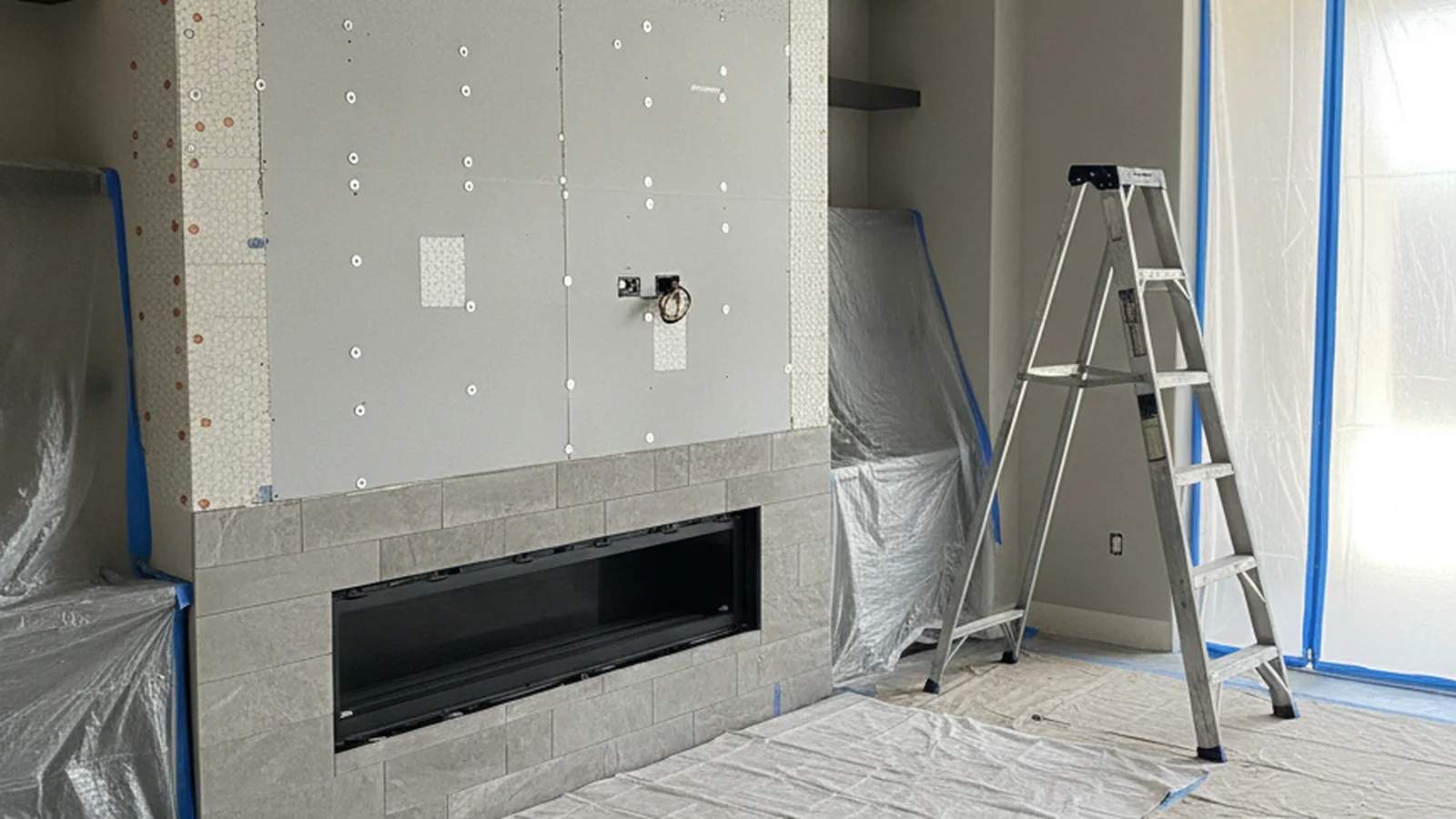
Quick answer: Yes, you can stay home through a bathroom remodel, and most Phoenix households do. The workable version needs a second bathroom or a plan for the days the shower is out, a sealed dust barrier, and a written schedule that shows which days the water will be off.
Key takeaways
- A second bathroom changes the whole experience. With only one, decide early whether to tough it out, phase the work, or leave for the loudest stretch.
- The pinch points are water-off days and the wait for the stone vanity top. The weeks of general noise matter less.
- Arizona adds hard-water valves that fail when first closed, heat leaking through propped doors, and lead-safe rules for homes built before 1978.
- Living at home usually adds a modest cost for protection and phasing, so ask for it to be priced in the estimate.
- Settle household logistics such as remote work, pets, and mobility at the estimate, before the contract.
What is bathroom remodeling while living at home?
Bathroom remodeling while living at home means the crew works in your house while your household carries on in the rest of it, with no move-out. You keep sleeping, cooking, and working in the same building, and only one room is under construction.
In practice it is a spectrum, not a switch. Some families stay put the entire time, some stay but leave for demolition week, and others relocate for the loudest stretch and return for the finish work. All three count, and the right one depends on how much disruption the rest of your house can absorb.
Bathrooms are the friendlier room to stay through. You lose one room, a path through the house, and some quiet, but you keep your kitchen and your bedroom. If you want the full picture of scopes and finishes first, our bathroom remodeling page lays out what the work includes.
What daily life actually looks like, stage by stage
Disruption is uneven across a bathroom job. It peaks in the first days, settles into a long quieter middle, and spikes again on a few specific days when water is off or stone arrives.
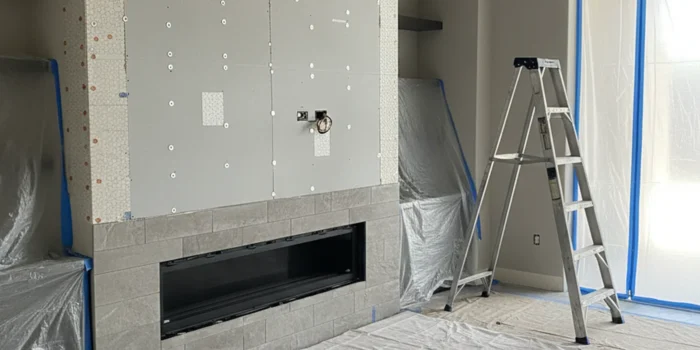
- Demolition. The loudest and dustiest stretch, usually the first few days. Tile comes off the walls, the tub or shower is cut out, and debris travels through your house to a dumpster or trailer. This is the best time for you to be elsewhere.
- Rough plumbing and electrical. Water is shut off for parts of several days. In many Phoenix homes built on concrete slabs, moving a drain means cutting into the slab, which is loud and messy but short.
- Waterproofing and tile. Quieter, but the room is sealed off while membranes and mortar cure. Tile cutting usually happens outside or in the garage, so expect a wet saw on the driveway.
- Stone and cabinetry. The vanity base is set, then the stone top is measured, fabricated, and installed. This wait is often the longest stretch where the room looks nearly done but is not usable.
- Fixtures and finish. Water goes off one more time for the final connections, then come paint, glass, and the punch list.
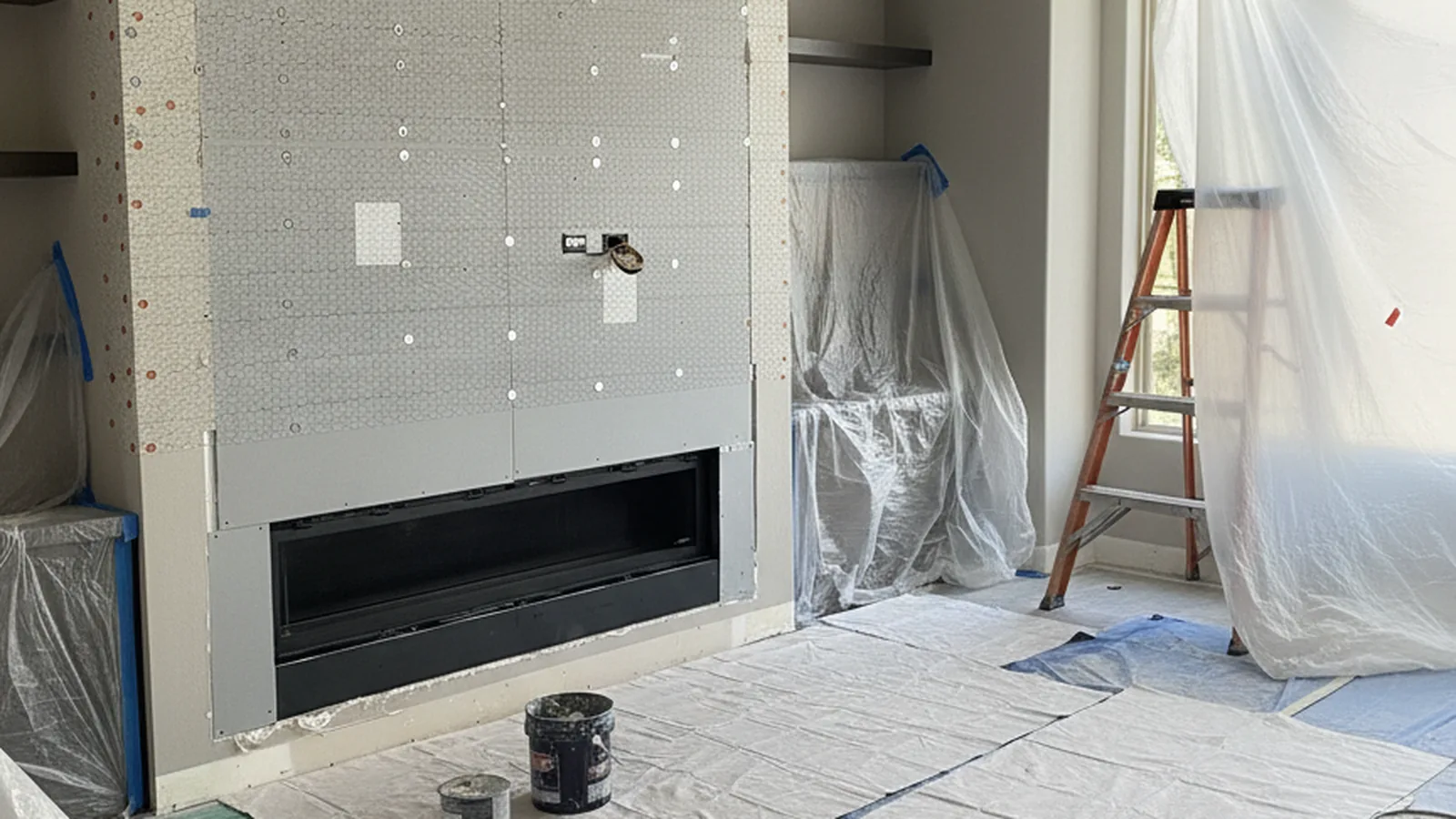
Durations vary with scope and with what is behind the walls. Our Phoenix timeline guide for a bathroom remodel gives realistic ranges so you can match the stages above to actual calendar days.
Where AZ Granite & Remodeling fits if you are staying home
AZ Granite & Remodeling is one example of how a design-build shop can make staying home easier, mostly by keeping the design, the stone, and the installation under one roof. We are a design-build remodeling contractor and in-house stone fabricator with a shop at 1923 W. Cheryl Dr, Suite 2, in Phoenix. We have served homeowners across the Valley for over 20 years, from North Scottsdale and Desert Ridge to Peoria, Sun City, Anthem, and the surrounding East and West Valley, and our work is 5.0-star rated.
Three parts of how we work matter when you are living in the house:
- One designer. You work one-on-one with a designer, so schedule and layout questions go to a single person instead of a chain of subcontractors.
- Stone cut at the shop. Custom fabrication and installation happen in house, so the dustiest stone work stays at our Phoenix shop and the vanity top reaches your home already fabricated.
- A look at the house first. Our in-home estimates are free and no-pressure, so someone sees the house the way you live in it before anything is planned.
At the estimate, tell us which bathroom the household will use, whether anyone works from home, where the pets will stay, and whether your HOA limits contractor hours. Those answers shape the order of work more than most people expect.
Bathroom stone covers a small area, so slab price matters less than how the material handles hard water, soap, and staining. We fabricate granite, marble, quartz, quartzite, dolomite, porcelain, onyx, and natural quartz, and our materials hub compares how they behave.
No contractor can give you a reliable day count from a phone call, because it depends on scope, the condition of what is behind the walls, and when your selections are final. Ask for a written, day-by-day schedule, then hold everyone to it, us included. You can request a free estimate on our contact page or call (602) 759-9000.
Can you do it with only one bathroom?
Yes, but it takes a deliberate plan, and the plan depends on how many days the shower is out of service. These are the four setups Valley households usually choose among.
| Setup | Works best when | What you give up | Plan around |
|---|---|---|---|
| Stay home, use a second bathroom | A full or three-quarter bath sits away from the work zone | Morning-rush privacy and some noise | Sealing the hallway and keeping the second bath free of dust |
| Stay home, one bathroom, phased work | The toilet and sink can return before the shower is finished | A longer overall project | Asking the crew to sequence the toilet or vanity first |
| Stay home, one bathroom, workarounds | The shower is out for days rather than weeks | Convenience and routine | A gym membership, a portable toilet or a neighbor’s bathroom, and a firm end date |
| Leave for the loudest stretch | Family or a rental is available for demolition and rough-in | Cost and logistics | Pets, mail, and returning before finish work |
The third option costs you mostly comfort, so it suits flexible households and cooler months. A portable toilet in a Phoenix driveway in July is a very different proposition than one in January, and that is why many homeowners aim single-bath jobs for roughly October through April.
Getting a toilet and sink back in service before the shower is finished is often possible when the plumbing layout allows, but it can add extra trips and labor. Ask for phasing to be priced as an option rather than assuming it is free.
Dust, water, noise, and heat: the Arizona problems
Four local problems cause most of the grief in an occupied Phoenix home: fine dust, hard-water valves, summer heat, and older-house surprises.
Desert dust already finds its way into everything, and a remodel adds drywall and tile dust on top. Ask for a sealed plastic barrier at the doorway, floor protection along the route from the door to the room, and dusty cutting done outside. Cover or close the HVAC return nearest the work, and change the filter more often than usual until the job wraps.
Before demolition, find your main water shutoff and test it. Hard water scale often seizes old shutoff valves, and one that has not been turned in a decade can leak or snap on first use. A good plumber replaces weak valves during the job, so ask whether that is included, and which days hot water to the rest of the house will be interrupted.
Crews with propped doors let cooled air out and dust in. Agree on one entry route, keep the thermostat where your household needs it, and expect the work area to run warm. It is one more reason fall through spring is easier than July.
If your house was built before 1978, federal lead-safe rules apply to paid renovation work. The EPA’s Renovation, Repair and Painting program requires certified firms and set containment practices, and a good contractor will raise it before you do. Older bathrooms also hide plumbing and water-damage surprises, which we cover in what turns up behind the walls in an older Phoenix home.
Permit requirements and your HOA need checking too. Our Phoenix bathroom permit and code guide walks through the permits, and many HOAs set contractor hours and dumpster rules that affect your schedule.
How to shorten the stretch you are living around it
Finish every selection before demolition starts. That one habit shortens the inconvenient part of a project more than anything a crew can do on site.
- Order tile, fixtures, glass, and the vanity before day one. A back-ordered part leaves the room half done and unusable.
- Pick the stone early. The vanity top is measured after the base cabinet is set, so ask how long the gap between measuring and installing will run.
- Get a day-by-day sequence with water-off days marked, and put those days on your calendar.
- Empty the vanity and linen closet beforehand, and take fragile pictures off walls shared with the bathroom, because demolition vibrates through a house.
- Set up a stand-in station in the other part of the house with toiletries, towels, and a flashlight.
What does living at home do to the cost?
It usually adds a modest amount on the contractor’s side and a separate set of costs on yours. Neither is large next to the remodel itself, but both are easy to forget when budgeting.
On the contractor side, an occupied house means daily setup and cleanup, floor and doorway protection, tighter work hours, and sometimes phasing. An empty house lets a crew spread out and leave things overnight, so expect that difference to show up in labor. Ask for the occupied-home assumptions to be written into the estimate. On your side, count a gym membership, a portable toilet rental, extra meals out, or a short stay elsewhere if you choose those routes.
A reserve for surprises matters more than either. Hold back 10 to 20 percent for what turns up behind the walls, especially in older homes. For ranges by scope, see how much a bathroom remodel costs in Phoenix.
Kids, pets, remote work, and mobility
Plan for the household as well as the room. A few routines prevent most of the daily friction.
- Pets. Keep them behind a closed door during demolition and deliveries. Open doors are how dogs and cats end up in the dust or out the front gate.
- Remote work. Demolition and tile cutting are loud enough to end video calls. Schedule the loudest days around your calendar, or work elsewhere those days.
- Kids. Treat the work zone as off limits, and plan naps and quiet time around the noisiest stages.
- Mobility. If anyone uses a walker or cannot manage a portable toilet, a temporary loss of the bathroom is a real problem. Consider relocating for those days.
What to ask a contractor before you sign
Ask for answers in writing, because verbal assurances about dust and schedule rarely survive the second week.
- Which days will water be off, and will hot water to the rest of the house be affected?
- Who is my daily contact, and what time does the crew arrive and leave?
- How is dust contained, and where do tile and stone get cut?
- What happens in the gap between setting the vanity and installing the stone top?
- How are surprises behind the walls priced and approved?
- Is the license active? Check it on the Arizona Registrar of Contractors site before you sign anything.
For the bigger decisions behind these questions, our guide to choosing the scope, materials, and crew for a Phoenix bathroom covers them in more depth.
Frequently asked questions
Do I have to move out during a bathroom remodel?
No, usually not. Consider leaving if you have a newborn, someone with a respiratory or immune condition, medical equipment that needs a clean room, or a single bathroom and no workable alternative. Even then, leaving only for the demolition and rough-in week often covers the worst of it.
How long will I be without a shower?
From demolition until the shower is waterproofed, tiled, cured, and plumbed, which is most of the project in a full gut. Toilets and sinks can often return sooner. Cure times for membranes and grout come from the manufacturer, so they cannot be rushed. Get the shower-out window in writing before you sign.
Is remodel dust harmful to kids, pets, or people with asthma?
It can be, so keep sensitive household members away from the work zone. Tile and stone cutting can release fine silica dust, so cutting should happen outdoors or with water, and plastic barriers should seal the doorway. If anyone has a respiratory condition, ask your doctor and consider staying elsewhere during demolition.
What happens if the crew finds damage behind the walls?
Work usually pauses on the affected area while the contractor documents the damage and prices the repair, which can add days and cost. Rotted framing, corroded pipes, and old leaks around tubs are the usual finds. Agree in advance on how surprises are priced and who approves them.
Do I need to be home while the crew works?
Not for every hour, but someone should be reachable and able to decide things on short notice. Agree on who has key access, when the crew arrives, and how you will approve changes. Many households arrange for one person to be home on demolition, water-shutoff, and fixture days.
Do I need to tell my HOA?
Check your HOA documents first. Many associations require notice or approval for dumpsters and contractor vehicles, and some limit work hours. A short email to the HOA before demolition avoids a surprise violation in the middle of the project.
How do I protect floors and furniture in the rest of the house?
Ask the crew to lay floor protection along the entry route and to keep to it. Cover or move furniture in adjoining rooms, roll up rugs near the path, and close vents in the work zone. Wipe surfaces daily rather than at the end, because dust that settles for weeks is harder to remove.
Does AZ Granite & Remodeling work in my part of the Valley?
Yes, if you are in the Phoenix Valley. We serve North Scottsdale, Desert Ridge, Peoria, Sun City, Anthem, and the surrounding East and West Valley. Call (602) 759-9000 or request a free, no-pressure in-home estimate through our contact page, and we will confirm whether your address is in range.
Planning a remodel without leaving home
Bathroom remodeling in Phoenix while living at home works when the household plan is as detailed as the design plan. Settle the second-bathroom question, the water-off days, and the stone-top gap before demolition, and the weeks go far more smoothly. If you would like a second set of eyes on your house, request a free, no-pressure in-home estimate through our contact page or call AZ Granite & Remodeling at (602) 759-9000.