Bathroom remodeling in Phoenix for an older home is a different job from the one in the glossy before-and-after photos. The tile and vanity are the easy decisions. The hard ones are about what the original builders left inside the walls, what has aged out of current code, and how much room to leave in the budget for surprises.
This guide covers what homes of different ages tend to hide, which scope fits which situation, what pushes the price up, and how to vet a crew. One section shows how AZ Granite & Remodeling approaches these houses, as one local example.
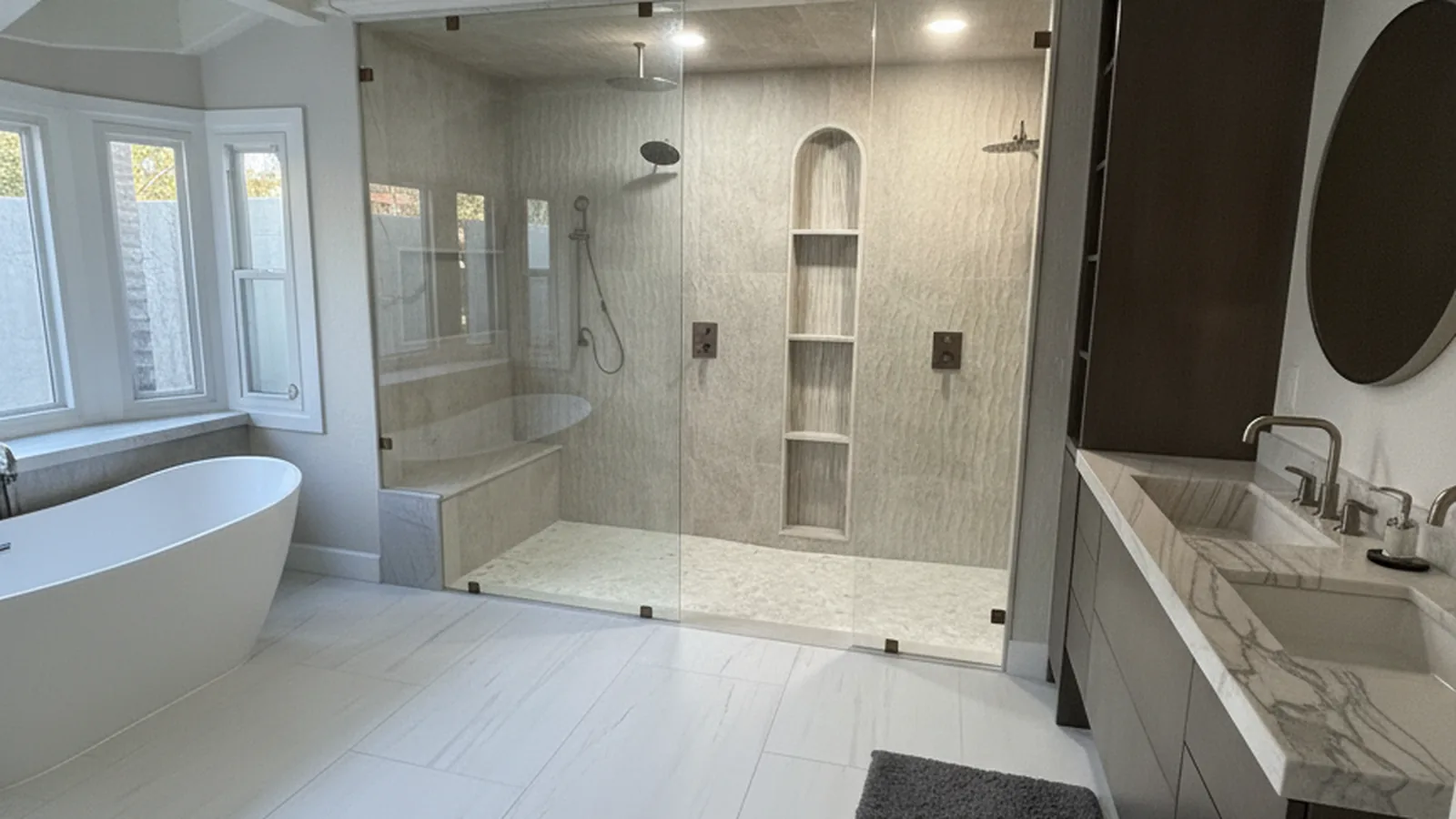
Quick answer: Updating a bathroom in an older Phoenix home usually costs more and runs longer than the same job in a newer house, mostly because of what is inside the walls: aging supply and drain lines, outdated wiring, and, in homes built before the 1980s, possible lead paint or asbestos. Get the house inspected before you choose finishes, and keep a contingency for what demolition reveals.
Key takeaways
- The build decade predicts the problems, from galvanized pipe and cast iron in the 1950s and 1960s to polybutylene in some 1980s and early 1990s homes.
- Moving fixtures over a slab is where budgets jump, so keep the footprint when you can.
- Phoenix hard water should shape your finish choices as much as taste does.
- Compare crews on how they handle lead, asbestos, permits, and surprises before you compare quoted numbers.
What is bathroom remodeling for an older home in Phoenix?
It is the work of updating or rebuilding a bathroom in a house old enough that its plumbing, wiring, ventilation, and waterproofing predate today’s standards, which in the Valley generally means a home built before the early 1990s. The visible scope matches any project: tile, tub or shower, vanity, flooring, fixtures, lighting. The difference is that the job begins with an assessment of what sits behind those surfaces, because the crew has to decide wall by wall what can stay, what should be replaced while it is open, and what the City will expect to see brought up to current standards.
For the standard service overview, see the bathroom remodeling page. The Phoenix permit and code guide covers the City side of the process, including when a permit applies.
What do Phoenix homes of different ages hide behind bathroom walls?
The build decade is the strongest predictor, though no era is a guarantee. Use this as a map of what to ask about.
- 1950s and 1960s ranch homes. Concrete block construction on a slab is common, with galvanized steel supply lines and cast iron drains. Bathrooms are small, often around 5 by 8 feet, with a tub-shower combination and a narrow door.
- Late 1960s and 1970s homes. Copper supply lines become the norm, but some houses from the mid-1960s to the early 1970s have aluminum branch wiring, which needs special connectors. Vinyl floor tile and textured ceilings from this era can contain asbestos.
- 1980s to mid-1990s tract homes. Some used gray polybutylene supply pipe, which has a reputation for failing at its fittings. Builder-grade fiberglass tubs and surrounds are usually tired but structurally fine.
- Anything built before 1978. Trim, doors, and walls may carry lead-based paint.
Two things matter as much as the pipe material. The first is where the pipes run. In a slab-on-grade house the drains sit under the concrete, so moving a toilet or shower drain means cutting the slab. The second is whether the house was already partly updated: a 1970s home repiped in 2005 is a different project from the same house with its original lines. A plumber’s look at the supply lines and a camera pass through the main drain cost little compared with learning the same things mid-demolition.
Where AZ Granite & Remodeling fits in an older-home bathroom project
AZ Granite & Remodeling suits owners of older homes who want planning, construction, and stone work handled by one team. It is a design-build remodeling contractor and in-house stone fabricator that has served the Phoenix Valley for over 20 years, and it is rated 5.0 stars. Three parts of how it works matter on a house this age.
- The free in-home estimate. A 1965 bathroom can’t be priced from photos, because the number depends on what is inside the walls and under the floor. AZ Granite & Remodeling offers free, no-pressure estimates in your home, so the conversation starts with the actual house.
- One-on-one design work. You work directly with a designer under a design-build approach the company calls “form and function,” so layout, materials, and construction are decided together instead of being passed between a designer and a separate crew.
- Stone fabricated in house. Older bathrooms are rarely square or standard-sized, and a vanity top, shower curb cap, niche shelf, or window sill is custom fabricated at the company’s shop at 1923 W. Cheryl Dr, Suite 2, in Phoenix, then installed by the same team. The shop works in granite, marble, quartz, quartzite, dolomite, porcelain, onyx, and natural quartz.
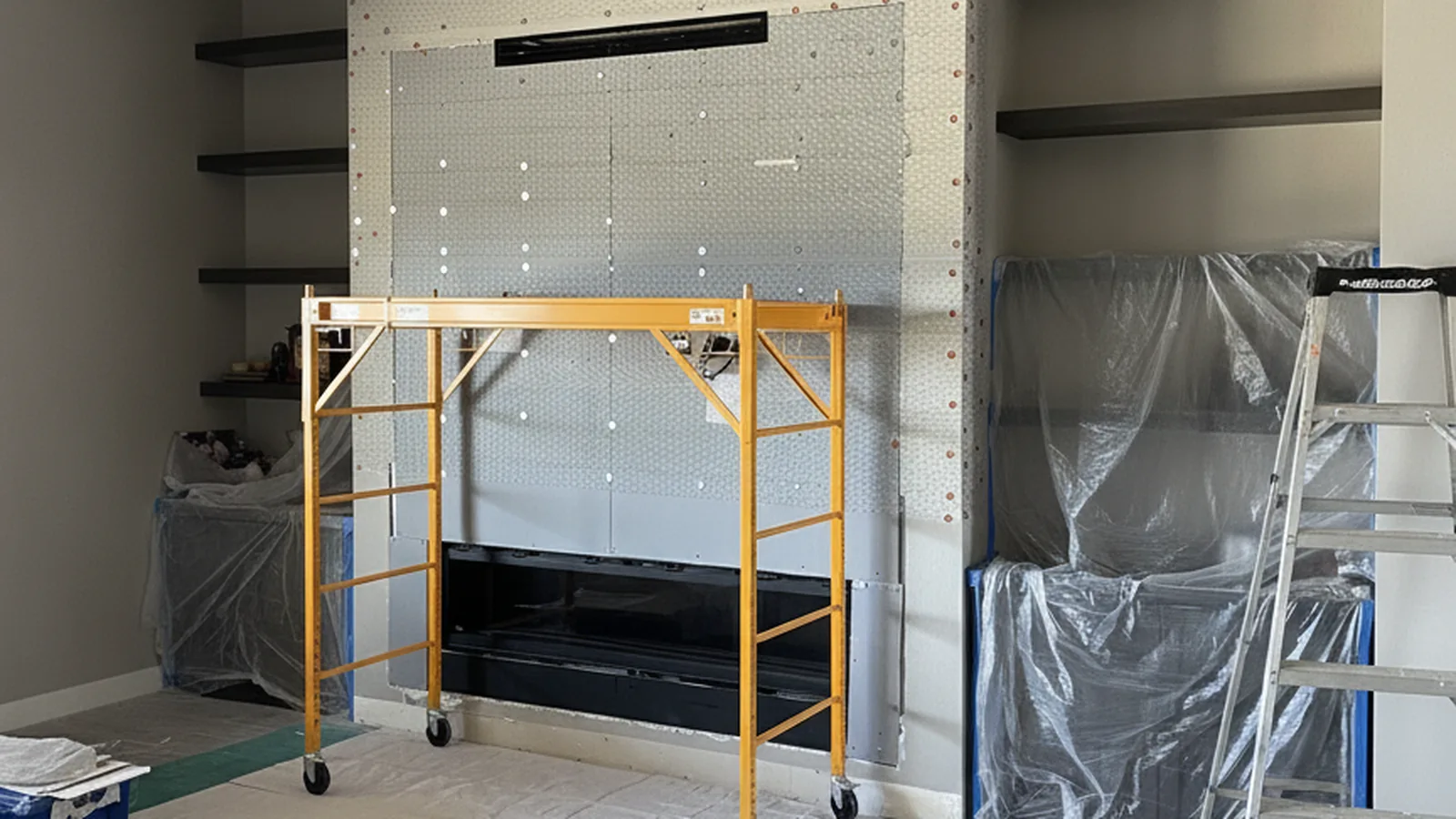
Whether you book with AZ Granite & Remodeling or anyone else, a few details make the first visit far more useful:
- The year the house was built, and whether the plumbing or wiring was ever updated
- Any known leaks, slow drains, or past water damage
- What bothers you about the bathroom now, and who uses it (kids, guests, aging parents)
- HOA rules on contractor hours and debris, if you have an association
- Photos of existing finishes you want to keep or match
The team works across the Valley, including North Scottsdale, Desert Ridge, Peoria, Sun City, and Anthem, plus the surrounding East and West Valley. Judge it the way you would judge any contractor, using the vetting checklist near the end of this guide.
What do you usually find once the walls come open?
Expect at least one surprise, and expect it in one of four places.
Plumbing
Phoenix’s very hard water leaves scale inside old galvanized and copper lines and on shutoff valves, and valves that haven’t turned in decades often fail the moment someone touches them. Cast iron drains rust from the inside out. Replacing the valves and any exposed pipe while the wall is open costs little next to reopening a finished wall later.
Electrical
Older bathrooms commonly have two-prong ungrounded outlets, no ground-fault protection, and one circuit shared with the hallway lights. Current code expects GFCI protection near water, so inspectors will generally look for this upgrade.
Moisture and framing
Old shower pans and tub surrounds fail slowly, and tile can look fine over soaked backer board. Even in a dry climate, a decades-old leak can rot a wall or soften a floor. Many older bathrooms also have no exhaust fan, or one that vents into the attic instead of outdoors.
Lead and asbestos
Federal rules require firms paid to renovate most pre-1978 homes to follow lead-safe work practices, which the EPA explains on its lead program pages. Older flooring, adhesives, and textured surfaces can also contain asbestos, and the EPA’s asbestos guidance explains why suspect materials should be tested before anyone breaks them up. Testing is a modest cost next to cleaning up a contaminated house.
Bathroom remodeling in Phoenix for an older home: which scope fits?
Most 1960s to 1990s bathrooms are served well by a full update in the same footprint, which sits between a cosmetic refresh and a full gut. The budget column below is a rough market range for comparison, not a quote for any specific house.
| Scope | What it covers | Suits | Main risk | Rough budget feel |
|---|---|---|---|---|
| Cosmetic refresh | New vanity, fixtures, paint, lighting, regrouted or reglazed surfaces | Sound original plumbing, intact tile and waterproofing | Hides problems instead of fixing them | Lowest, often a few thousand dollars |
| Full update, same footprint | New tile, tub or shower, vanity, flooring, valves, and wiring brought up to date where exposed | Most 1960s to 1990s bathrooms | Hidden conditions found at demolition | Mid-range, commonly five figures |
| Tub-to-shower conversion | Replaces the tub with a walk-in or low-curb shower, often with a wider door | Aging in place, small single-bath homes | Waterproofing, slab depth, and buyer preference for a tub | Mid-range to upper |
| Gut and re-plan | Moves the toilet, shower, or vanity, and may borrow space from a closet | Cramped layouts that no finish can fix | Slab cutting, extra permit steps, longest schedule | Highest, well into five figures |
If the pipes are original, treat the project as a full update even when the tile looks fine. Painting over 50-year-old valves is how people end up opening a finished wall. A conversion deserves one extra check: if the bathroom holds the only tub in the house, think about how future buyers with young children will see its absence.
What drives the price in an older home?
Three things move the number most: whether the drains run through a slab, how much plumbing and wiring must be replaced, and how far the fixtures move.
Hold a contingency of 10 to 20 percent as a rule of thumb for a house this age. Demolition decides how much of it you spend. Slab cutting is the line item most likely to surprise you, because concrete work adds labor that a house with an accessible crawlspace would avoid. Hazardous-material testing, a repipe, and permit inspections each add steps, and steps add calendar time as well as dollars.
Finishes are the most flexible lever. Tile, glass, fixtures, and a stone vanity top can swing a total by thousands. Set the structural budget first, then spend what is left on the surfaces you will see. For realistic numbers by scope, these cost ranges for bathroom remodeling in Phoenix break them out, and an in-home estimate turns ranges into a figure for your actual house.
Which design choices suit a bathroom that is decades old?
Choose finishes that tolerate hard water and heat, and plan around the layout limits that older bathrooms share.
Hard water hits glass, dark tile, and polished chrome first, because scale shows up as white spotting. Lighter tones, matte or honed finishes, and a quartz or porcelain vanity top hide it and clean easily. Marble is beautiful but etches and stains, so if you love the look, ask to see quartzite beside it, since it offers veining with harder wear.
Door width is the next common limit. Original bathroom doors can be as narrow as 24 inches, and widening one to 30 or 32 inches helps with accessibility, though what is inside that wall decides how easy it is.
Storage is usually the missing piece. Exterior block walls are harder to recess into than wood-framed walls, so settle niche and medicine cabinet locations before demolition. And if you are converting a tub to a shower, know that a curbless shower requires lowering the floor, which is harder over a slab, so a low curb is the usual compromise.
How do you choose a crew for an older home?
Pick the contractor who asks to see the house, and talks about what is behind the walls, before quoting finishes. Use this checklist with anyone you interview:
- They walk the house first. A number given from photos for a 40-year-old bathroom is a guess.
- They explain lead and asbestos handling for your home’s age, before demolition rather than after a surprise.
- They pull permits and tell you which inspections to expect.
- They write hidden conditions into the contract, through an allowance or a change-order process where extra work is priced and approved before it starts.
- They show older-home projects, with before-and-after photos of houses from your era as well as new builds.
- They hold an active license, which you can verify through the Arizona Registrar of Contractors, and carry insurance.
A contractor who is vague about hidden conditions is a warning sign. The honest answer for a 1960s bathroom is “we’ll know more when the wall is open, and here is how we’ll handle it.”
Frequently asked questions
Can I keep my original tub?
Often yes, if the surface can be refinished and the drain connections are sound. Cast iron tubs weigh hundreds of pounds, so the real question is whether removing one for a floor or wall repair is worth the labor. If the enamel is worn through or the tub sits over a failing drain, replacement is usually the better value.
Do I need to repipe first?
Not always. At minimum, replace the bathroom’s shutoff valves and any exposed pipe while the wall is open. A whole-house repipe makes sense when the lines are galvanized, polybutylene, or leaking elsewhere, and a licensed plumber can assess that. Doing it before new tile goes in avoids cutting into finished walls later.
Must the whole house meet code?
Generally no. Permitted work is typically held to current code for the parts being altered, not the entire house, though details vary by project. Confirm with the City of Phoenix or your local building department before you start, and ask your contractor who will pull the permit.
Can I stay during the remodel?
Yes if you have a second bathroom, and it gets difficult if you do not. Demolition dust, water shutoffs, and noise make a one-bath house hard to live in. Ask how the water shutoffs will be scheduled each day, and line up a temporary option, such as a gym membership or a relative’s guest bath.
Is vintage tile worth saving?
Only if it is intact and you genuinely like it. Tile from the 1950s and 1960s often sits over waterproofing that has failed and cannot be checked without pulling it. If you want to keep a border or feature wall, say so early, because matching replacement tile is difficult to find.
Do HOA rules apply indoors?
Often not for the interior itself, but many HOAs regulate contractor hours, parking, dumpsters, and debris. Check your CC&Rs and notify the association before demolition. Exterior changes, such as a new vent or window, usually need approval.
How long does an update take?
Usually longer than the same job in a newer house, because hidden conditions add steps. A straightforward update is often a matter of weeks on site, and testing, repiping, permit inspections, and custom stone fabrication each add time. Ask any contractor for a written schedule that names those steps.
Next step: have someone look at the house
If you are weighing bathroom remodeling in Phoenix for an older home, the most useful move is the same whatever scope you land on: have an experienced crew look at the house in person. To set up a visit with AZ Granite & Remodeling, use the contact page, call (602) 759-9000, or email veny@azgranite.us.