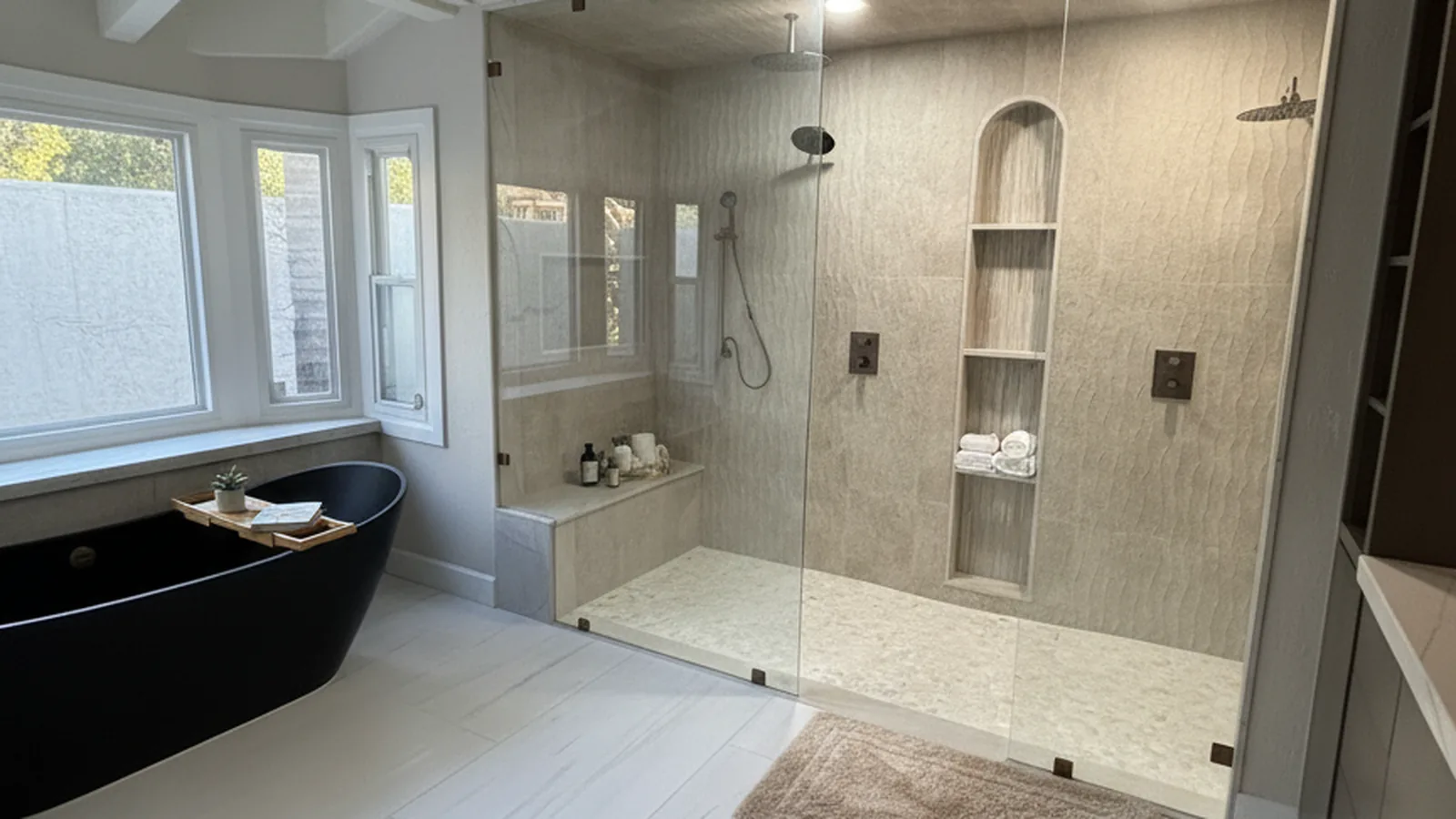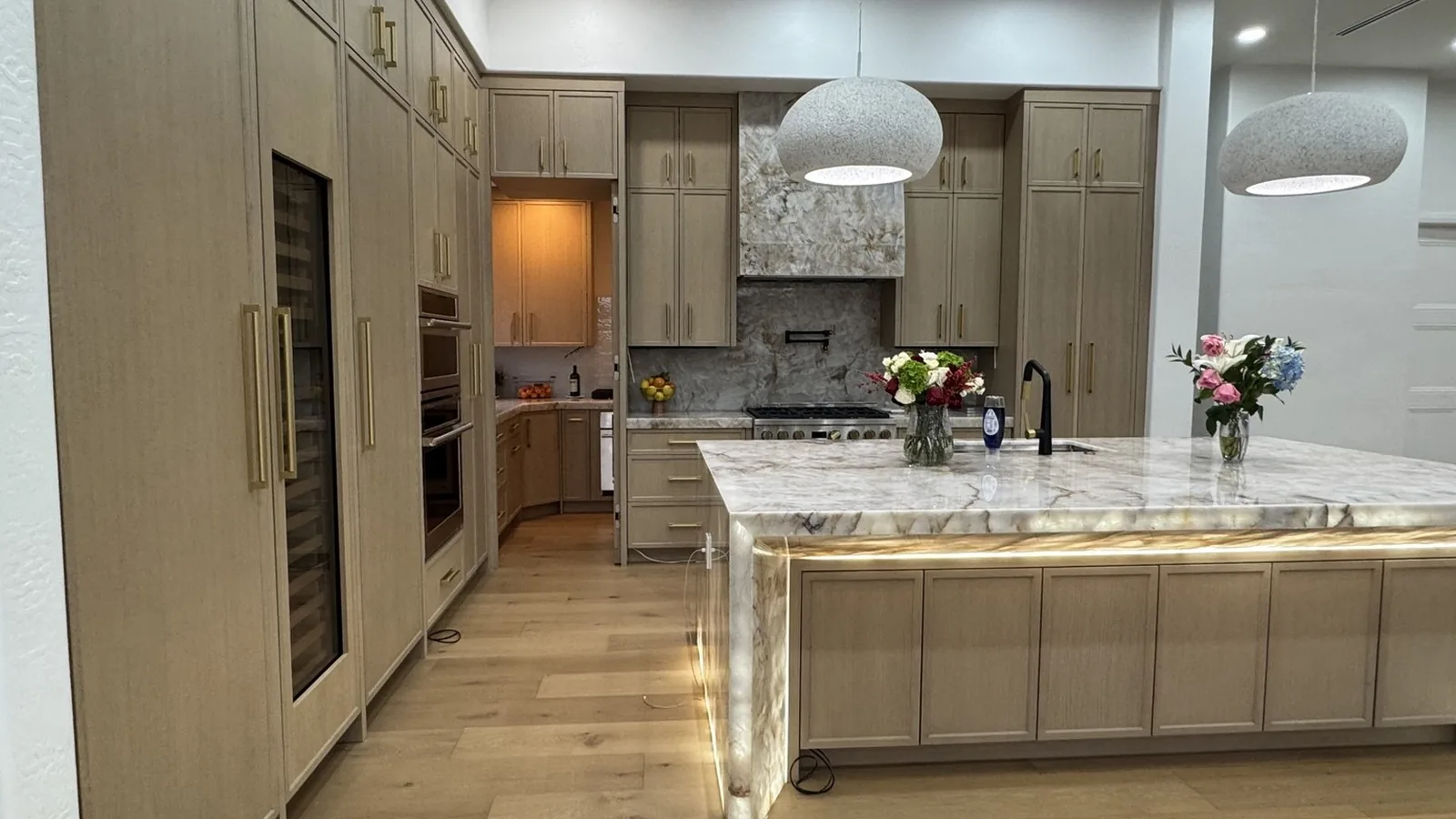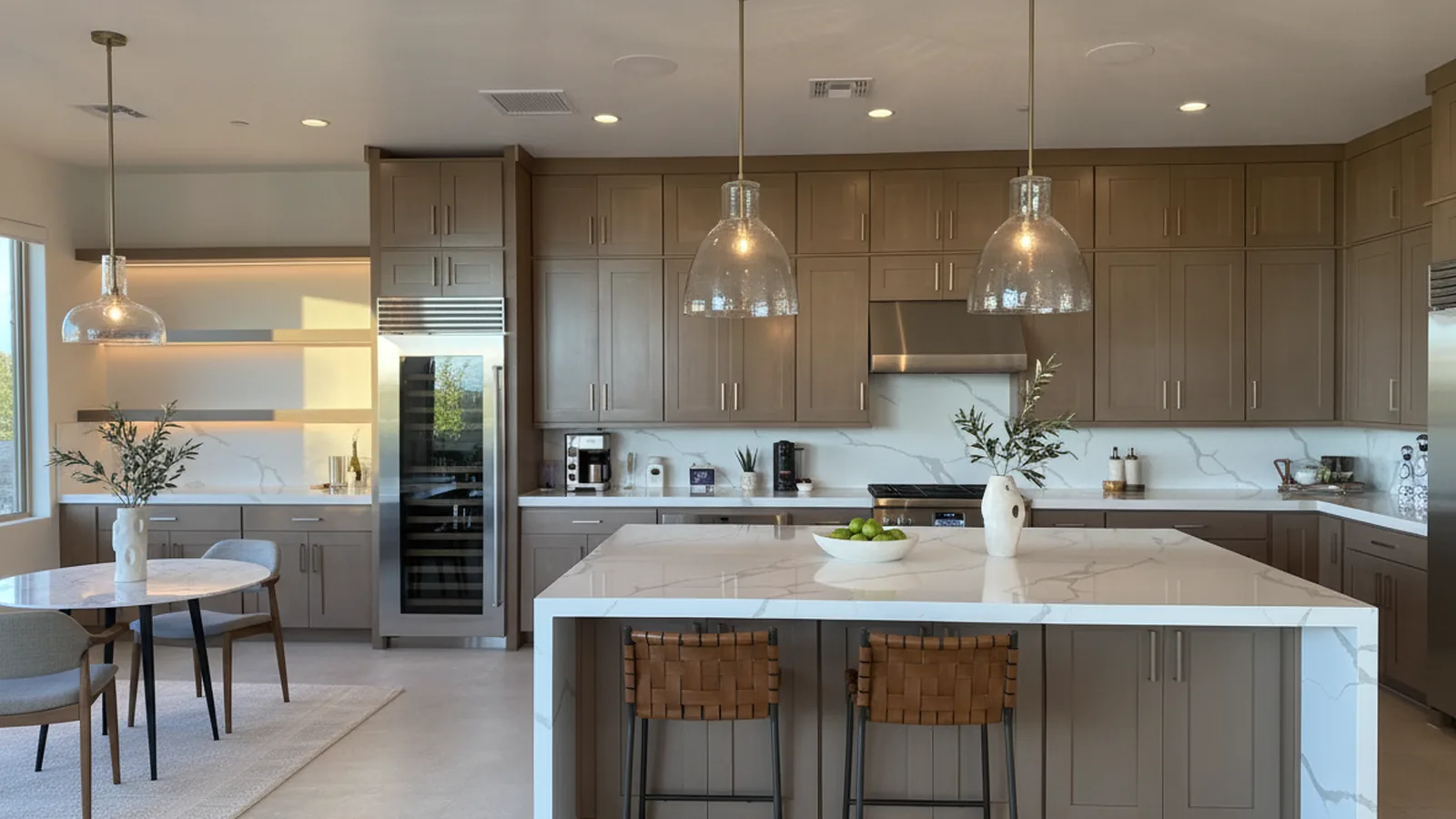
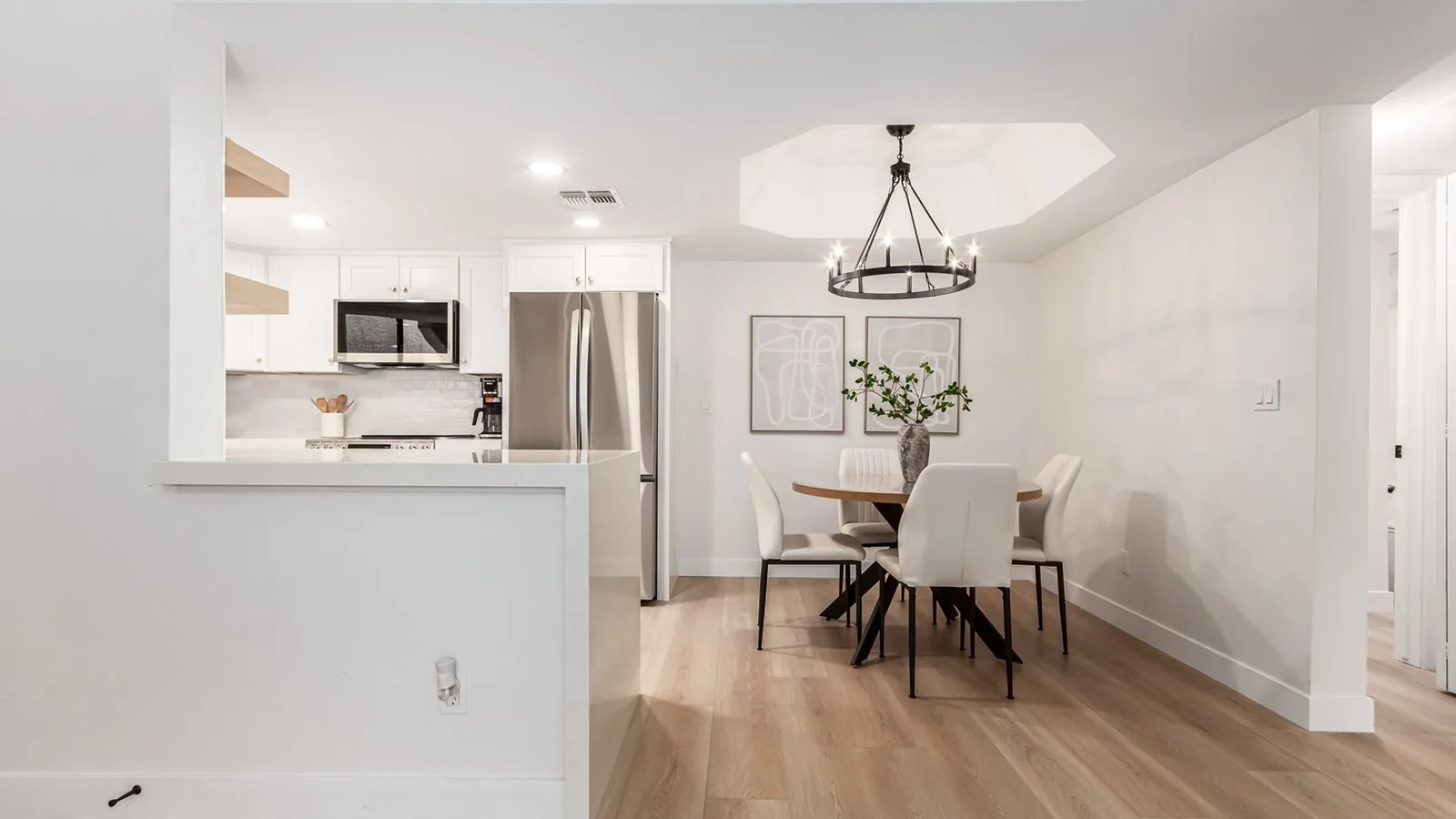
A kitchen remodel is the single project most Phoenix homeowners ask about, and it’s also the one where the price range is widest and the advice online is thinnest. A weekend cabinet-painting refresh and a full layout change both get called a “remodel,” yet they share almost nothing in cost, timeline, or who you should hire. This guide sorts out what you’re actually choosing between, what our desert climate does to those choices, and how to tell a solid crew from a risky one before you sign anything.
Quick answer: A kitchen remodel in Phoenix usually falls into three tiers: a cosmetic refresh (roughly $10k–$25k), a mid-range pull-and-replace (roughly $25k–$55k), and a full gut with layout changes ($55k–$100k+). What you’ll actually pay depends on cabinets, countertops, whether walls or plumbing move, and the finish level you choose. Get itemized written estimates from at least two or three licensed contractors before deciding.
Key takeaways
- Kitchen remodels split into three real tiers, and cabinets plus countertops drive most of the cost in every one of them.
- Phoenix’s hard water, UV, and heat should shape your material picks more than any design trend.
- A design-build contractor who fabricates in house means fewer handoffs and one accountable team.
- The cheapest bid is rarely the safest. License, references, and clear scope matter more than the sticker.
- Ranges here are educational. For your kitchen, get a free in-home estimate rather than a phone quote.
What is a kitchen remodel in Phoenix?
A kitchen remodel is any project that changes the function, layout, or core surfaces of your kitchen, and it lives on a spectrum from light to full gut. On the light end, you keep the existing footprint and refresh what shows: new countertops, a backsplash, hardware, paint, maybe refaced cabinet doors. In the middle, you pull and replace cabinets, counters, appliances, and flooring while the walls and plumbing stay put. On the heavy end, you move walls, relocate the sink or range, open the kitchen to a living space, and rework electrical and plumbing to match.
Knowing which tier you’re in matters because it decides almost everything else. Only the deeper projects typically need permits and inspections for electrical, plumbing, or structural work, which the City of Phoenix requires for those trades. A refresh rarely does. Being honest with yourself about scope up front is the best defense against the mid-project surprise most homeowners dread.
What actually drives the price
Two line items dominate nearly every Phoenix kitchen budget: cabinets and countertops. Cabinets alone can be a third to half of a mid-range remodel, which is why refacing versus replacing is often the biggest single fork in your budget. Refacing keeps the boxes and swaps doors and fronts, saving real money when the existing layout works. Full replacement makes sense when the boxes are failing or you’re changing the footprint.
After those, cost climbs with anything that moves. Relocating a sink, range, or wall pulls in plumbers, electricians, and sometimes structural work, and that labor adds up fast. Appliances, flooring, and lighting round it out. Nationally, a mid-range major kitchen remodel runs in the low-to-mid five figures and recoups a meaningful share of its cost at resale, according to the industry’s annual Cost vs. Value report. Local labor and material availability shift those numbers, so treat any published figure as a starting point, not a quote.
Where AZ Granite & Remodeling fits
AZ Granite & Remodeling is a design-build contractor and in-house fabricator that has served the Phoenix Valley for over 20 years, and that combination is the reason to know about them. On most remodels, design, countertop fabrication, and installation pass through three or four separate companies, and every handoff is a chance for a delay, a miscut, or a “that’s not my job.” Here, one team designs the kitchen, cuts the stone in its own Phoenix shop, and installs it. Fewer handoffs, one point of accountability.
That in-house shop matters most on countertops, where AZ Granite works with granite, quartz, quartzite, marble, dolomite, porcelain, and onyx. Because they fabricate their own full-slab jobs, the offcuts become granite remnants, a rotating stock of one-of-a-kind pieces you can view by appointment at the Phoenix shop. For a small kitchen, an island top, or a bar, a remnant can deliver premium natural stone at a fraction of a full slab’s cost. It’s a genuinely useful option most homeowners never hear about.
The approach is design-build “form and function”: you work one-on-one with a designer, the fabrication and installation happen in house, and the in-home estimate is free and no-pressure. They serve homeowners across the Valley, from North Scottsdale and Desert Ridge to Peoria, Sun City, and Anthem, plus the surrounding East and West Valley. You can browse finished projects in the gallery or start a kitchen remodel conversation when you’re ready. They’re one strong option to weigh, and the rest of this guide stays about your decision, not theirs.
Choosing materials that survive Arizona
The single biggest local mistake is picking a surface for a Pinterest photo instead of for the desert. Phoenix throws three things at your kitchen that milder climates don’t: hard water, intense UV, and big temperature swings. Each one should steer your material choices.
For countertops, quartz is the low-maintenance workhorse. It’s nonporous, so hard-water mineral deposits wipe away and it never needs sealing. Its main weakness is direct heat and long UV exposure, so keep trivets handy and skip it for a sun-blasted outdoor counter. Granite and quartzite are natural stones that handle heat and sunlight beautifully but want periodic sealing to fend off staining and hard-water etching. Marble is stunning and soft, and our hard water etches it readily, so it rewards owners who accept a lived-in patina rather than a flawless finish. If you’re weighing options, the materials overview lays out how each stone behaves day to day.
For appliances, our long cooling season makes efficiency worth paying for. ENERGY STAR-rated appliances trim the summer utility hit, and a well-planned range hood matters more here than in cooler states. For faucets and fixtures, WaterSense-labeled hardware helps on water bills, though hard water still means you’ll want easy-to-clean finishes.
How to vet a Phoenix kitchen contractor
The right contractor protects your budget more than any material choice. Start with the non-negotiables: a valid Arizona ROC license, proof of insurance, and a written scope that lists materials, allowances, and a payment schedule tied to milestones. Vague one-page bids are where disputes are born.
Then look at fit. Ask how many active jobs the crew runs at once, who your day-to-day contact is, and how change orders are priced. Ask to see recent local work and call two references whose projects were similar in size to yours. Be wary of a bid that’s dramatically lower than the rest, because it usually signals thin materials, a missing scope item, or a plan to make it up in change orders later. Reading a company’s customer reviews and asking pointed questions beats chasing the lowest number every time.
Comparing the three remodel tiers
Here’s how the tiers stack up so you can place your own project before you talk to anyone.
| Factor | Cosmetic refresh | Mid-range pull-and-replace | Full gut / layout change |
|---|---|---|---|
| Typical Phoenix range | ~$10k–$25k | ~$25k–$55k | $55k–$100k+ |
| Timeline | 1–3 weeks | 4–8 weeks | 8–16+ weeks |
| Cabinets | Reface or repaint | Replace, same footprint | New, new layout |
| Layout / walls | Unchanged | Unchanged | Moved / opened up |
| Permits likely? | Rarely | Sometimes | Usually |
| Best for | Dated but functional kitchens | Worn-out kitchens that work | Bad layouts or whole-home flow |
Ranges are educational and vary with finish level and your home’s condition. The only way to price your kitchen is to have someone measure it.
A realistic timeline
Most homeowners underestimate the calendar, not the budget. Design, material selection, and ordering often take longer than the demolition and install. Cabinets and stone are made to order, so lead times of several weeks are normal before a single tool comes out. Build in a buffer, keep a backup cooking setup ready, and confirm the schedule in writing. A crew that gives you a clear week-by-week plan is telling you they’ve done this before.
If your remodel reaches into flooring or spills into adjacent rooms, factor that scope in early rather than bolting it on midway, when it costs more and stalls the kitchen. When you’re ready to price your specific kitchen, a free in-home estimate will beat any number you find online, because it accounts for your actual layout, condition, and material picks.
Frequently asked questions
How much does a kitchen remodel cost in Phoenix?
Most fall between roughly $10k for a cosmetic refresh and $100k or more for a full gut with layout changes, with mid-range pull-and-replace projects landing around $25k–$55k. Cabinets and countertops drive the majority of the cost, and moving plumbing or walls adds the most. Get itemized estimates to price your specific kitchen.
How long does a kitchen remodel take?
A cosmetic refresh runs one to three weeks, a mid-range remodel four to eight weeks, and a full gut two to four months or more. Cabinet and stone lead times often add several weeks of ordering before installation starts, so the design and procurement phase deserves as much planning as the build itself.
Is quartz or granite better for a Phoenix kitchen?
Both work well, and the right pick depends on your habits. Quartz is nonporous and never needs sealing, which shrugs off our hard water, but it dislikes direct heat and prolonged UV. Granite handles heat and sunlight but wants periodic sealing. Choose quartz for low maintenance and granite or quartzite for heat tolerance.
Do I need a permit to remodel my kitchen in Phoenix?
It depends on scope. A cosmetic refresh with no electrical, plumbing, or structural changes usually doesn’t require one, while relocating a sink or range, altering walls, or adding circuits typically does. Your contractor should pull required permits, and a bid that skips permitting on a job that needs it is a red flag.
Can I save money without cutting corners?
Yes. Refacing sound cabinets instead of replacing them, keeping the existing layout so plumbing and electrical stay put, and using a stone remnant for a smaller counter or island are three ways to cut cost without cheap materials. Spending on layout and quality surfaces, and saving on things you can upgrade later, is the smart split.
What’s a design-build contractor, and why does it matter?
A design-build contractor handles both the design and the construction under one roof, instead of you hiring a separate designer, fabricator, and installer. That means fewer handoffs, one accountable team, and less finger-pointing when something needs adjusting. When the same company also fabricates the countertops, you also avoid the common gap between the designer’s plan and the fabricator’s cut.
How do I vet a kitchen contractor before signing?
Confirm a valid Arizona ROC license and insurance, get a written scope that itemizes materials and a milestone-based payment schedule, and call references whose projects matched yours in size. Ask how change orders are priced and who your daily contact is. Treat a bid far below the others as a warning, not a bargain.
AZ Granite & Remodeling · 1923 W. Cheryl Dr, Suite 2, Phoenix, AZ 85021 · (602) 759-9000 · veny@azgranite.us · Serving the Phoenix Valley for 20+ years. Free, no-pressure in-home estimates.