Before you pick tile or a vanity top, it helps to know what the bathroom remodeling requirements in Phoenix are. Most of them depend on what you move, not on what you spend, and a few checks up front can save you a failed inspection or a stalled schedule.
This guide covers the permit question, the code rules that shape a layout, what to verify on a contractor, and the surprises that tend to hide in older Valley homes. It is a planning aid, not legal advice, and the City of Phoenix has the final word on your specific scope.
Quick answer: Cosmetic updates like a new faucet, vanity top, paint, or flooring usually don’t need a permit in Phoenix. Work that moves plumbing, changes wiring, alters a wall, or adds a vent duct generally does, and a project of that size should be done by a contractor licensed with the Arizona Registrar of Contractors.
Key takeaways
- The rules depend on which jurisdiction your home sits in: the City of Phoenix, another Valley city, or Maricopa County.
- Code mostly governs layout and safety details, such as fan venting, outlet protection, scald prevention, and safety glass.
- Houses built before 1978 add lead-safe work rules, and slab plumbing makes relocating a fixture the costliest change on the list.
- Put the scope, permit, and inspection duties in the written contract before any deposit changes hands.
What are bathroom remodeling requirements in Phoenix?
They are the permits, code standards, and licensing rules that apply when you change a bathroom in a Phoenix home. Three layers usually apply, and a single project can touch all of them:
- Building permits and inspections. Issued by the city where the home sits. For Phoenix addresses, that is the Planning and Development Department.
- Adopted building codes. The residential, plumbing, electrical, and mechanical codes the city has adopted, with local amendments. The plan reviewer can tell you which edition applies to your project.
- State contractor law. The Arizona Registrar of Contractors licenses contractors, takes complaints, and sets the baseline for who may legally do the work.
An HOA or condo association can add a fourth, private layer of approvals on top.
These rules exist because a bathroom packs water, electricity, and tight framing into a few square feet. A weak shower pan or a fan venting into the attic rarely shows up on day one. It shows up two years later as a stain, mold, or an insurance dispute, and following the rules costs less than chasing the leak.
Which bathroom projects need a permit in Phoenix?
Projects that change plumbing, wiring, structure, or ventilation generally need a permit, while like-for-like cosmetic swaps generally do not. The table below sorts common bathroom jobs by that rule of thumb.
| Type of project | Permit usually needed? | What the city tends to care about |
|---|---|---|
| Paint, new mirror, towel bars, same-spot light swap | Usually no | Nothing structural or hidden changes |
| New vanity or stone top in the same spot, new faucet | Usually no | Reused supply and drain connections stay leak-free |
| New flooring or wall tile with no layout change | Usually no | Surface only, though wet-area waterproofing still matters |
| Tub-to-shower conversion | Usually yes | New valve, drain, and shower pan, plus waterproofing and safety glass |
| Moving a toilet, tub, shower, or sink | Yes | New drain and vent runs, often through the concrete slab |
| New outlets, new circuits, or a new exhaust fan | Yes | GFCI protection, wiring, and a duct that terminates outside |
| Removing or moving a wall, or enlarging the room | Yes | Framing, load paths, and sometimes engineered plans |
Two cautions apply. First, “usually” matters in that table: a small job can still trigger a permit if it touches an old panel or a failing shut-off valve, and the city’s classification overrides any rule of thumb. Second, call or check before demolition, not after. The City of Phoenix Planning and Development Department publishes permit guidance and can confirm how your scope is classified.
How AZ Granite & Remodeling plans around these requirements
AZ Granite & Remodeling is a design-build remodeling contractor and in-house stone fabricator that has served the Phoenix Valley for more than 20 years, with a 5.0-star rating from Arizona homeowners. The only location is the Phoenix shop at 1923 W. Cheryl Dr, Suite 2, Phoenix, AZ 85021, and its bathroom remodeling work sits alongside kitchens, flooring, and countertops.
Design-build matters for requirements because most compliance problems start as layout problems: a toilet too close to a wall, a shower with no sensible path for a vent, a niche planned where a pipe runs. When the same team designs and builds the room, those conflicts get caught on paper during a one-on-one design session instead of after the walls are open.
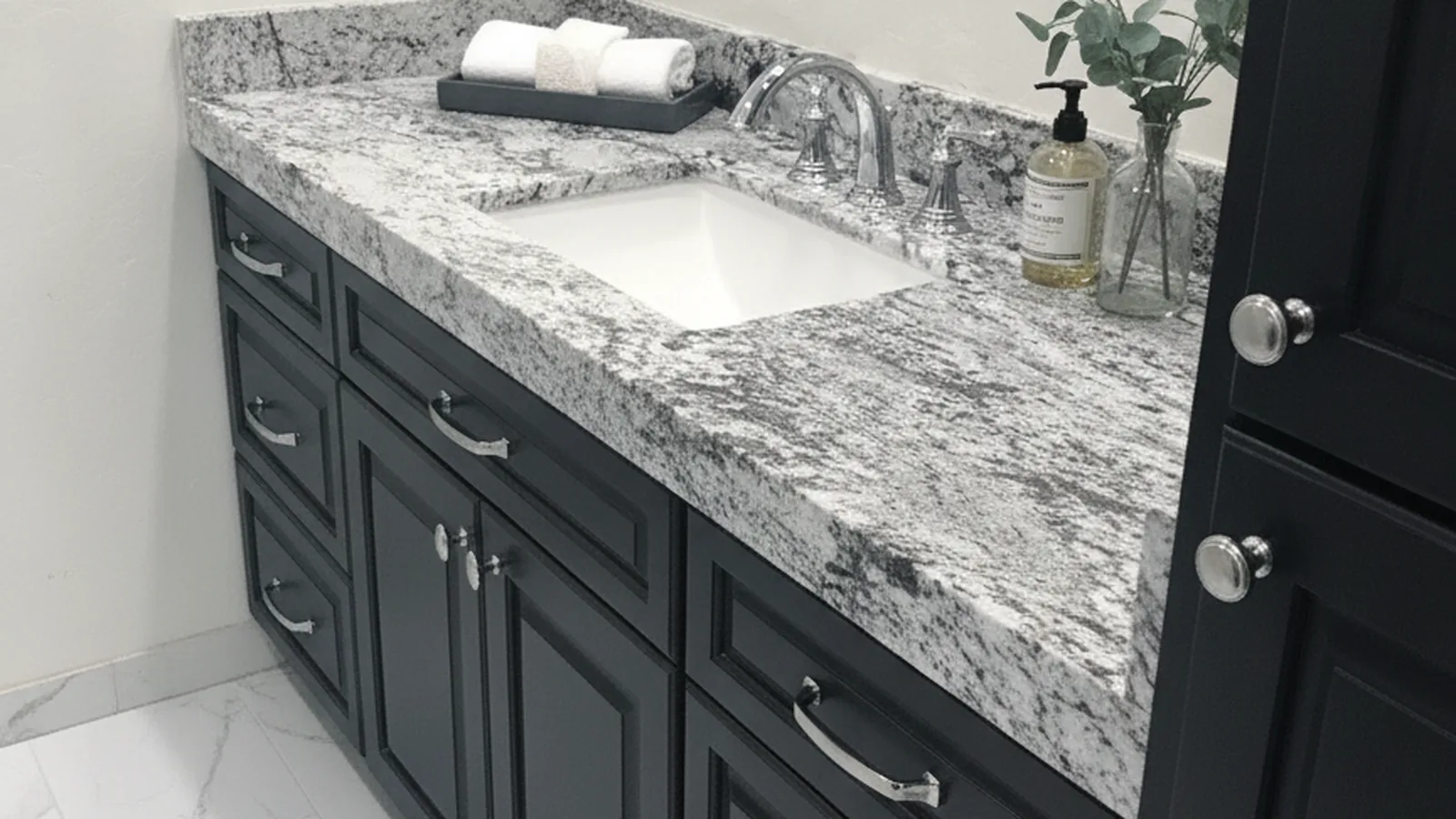
The in-house shop helps on the stone side too. Vanity tops, shower surrounds, and benches are fabricated and installed by the same company, in granite, quartz, quartzite, marble, dolomite, porcelain, onyx, or natural quartz, so measurements and cuts answer to one team instead of passing between vendors.
No honest contractor can say whether your house needs a permit over the phone, because the answer depends on your scope, your address, and the age of your plumbing. That is what the free, no-pressure in-home estimate is for, and it covers homes across North Scottsdale, Desert Ridge, Peoria, Sun City, and Anthem, plus the surrounding East and West Valley. Things worth bringing to any contractor’s estimate visit:
- The year the home was built and any remodels you know about
- HOA or condo rules, if they apply
- Photos of the look you want and a list of any fixtures you hope to move
- Your timeline constraints, such as a move-in date or guests arriving
Licensing, insurance, and paperwork to verify
Verify the license before anything else. Search the contractor on the Arizona Registrar of Contractors website and look for an active license in a classification that fits residential remodeling, a business name matching your contract, and a clean complaint history.
Then check the paper trail:
- Insurance. Ask for a certificate showing general liability and workers’ compensation, sent by the insurer or agent and not a photocopy.
- A written contract. It should name the scope, materials, schedule, and payment milestones.
- Lien waivers. Ask for one with each payment, so an unpaid supplier cannot turn into a claim against your house.
- Payments tied to completed stages, not a large deposit up front.
Licensing also decides your recourse. The ROC administers a recovery fund for homeowners harmed by licensed residential contractors, but a fund like that cannot help when the person you hired was never licensed.
The code rules that shape a bathroom layout
A handful of model-code rules decide most layout choices, and knowing them keeps you from designing something an inspector will reject.
- Ventilation. A bathroom needs an openable window of roughly three square feet or a fan that exhausts outdoors. A fan that dumps into the attic fails inspection and feeds mold.
- Electrical. Receptacles need GFCI protection, with one within about three feet of each sink. Fixtures inside the shower footprint must be rated for damp or wet locations.
- Scald protection. Showers need a pressure-balancing or thermostatic valve that limits sudden temperature swings.
- Shower size and surfaces. The finished interior is generally at least 30 by 30 inches, with hard, nonabsorbent walls up to about six feet.
- Toilet clearance. Plan about 15 inches from the toilet’s centerline to the nearest wall or tub, and 21 inches clear in front.
- Safety glass. Shower doors and glass near a tub or shower must be tempered.
These are typical model-code figures. Phoenix adopts its own amendments and editions change over time, so treat them as design guardrails and let the plan reviewer confirm the numbers. Code also sets a floor for safety, not durability: Arizona’s hard water will cloud chrome and etch glass in a fully compliant bathroom, so finish choices belong in the design stage.
Older Valley homes hide the expensive surprises
Homes built before 1978 usually trigger federal lead-safe rules when a contractor disturbs painted surfaces. Under the EPA’s Renovation, Repair and Painting program, firms working in pre-1978 housing must be EPA-certified and follow lead-safe work practices, which means containment and cleanup on top of a state license.
Asbestos is the other hidden-material question. Vinyl floor tile, its adhesive, and older joint compound from before the 1980s can contain it, and testing a sample before demolition is cheaper than stopping a job midstream.
Plumbing is where Phoenix’s building style matters. Many Valley homes sit on concrete slabs, so drains run under the floor and moving a toilet or shower means cutting concrete. Supply lines vary by era as well: galvanized steel, polybutylene in some homes built from the late 1970s to the mid-1990s, or copper. A plumber should assess them while the walls are open.
Electrical age matters if you add circuits. The inspector may look at whether the panel has room, and an older panel can turn a small bathroom job into a service upgrade.
City, county, or HOA: who signs off
The agency that signs off depends on where the home sits, and mailing addresses can mislead. A home in Desert Ridge falls under the City of Phoenix, a North Scottsdale home is permitted by the City of Scottsdale, and Peoria runs its own department. Sun City and Anthem are unincorporated communities, so permits there generally go through Maricopa County. Fees, forms, and turnaround differ, so don’t assume a Phoenix answer carries over.
HOAs and condo associations add a separate layer. Expect architectural review for anything visible from outside, such as a new window or exhaust vent, plus rules on work hours, noise, dumpster and elevator use, and water shut-off windows in multi-unit buildings. Get approval in writing before ordering custom stone or glass, since made-to-measure materials can’t be returned.
How requirements change cost and schedule
Requirements affect cost mainly through the work they force, not through the permit fee. Fees are generally tied to project scope, and the city can quote yours. The bigger swings come from what an inspection requires: a fan duct run to the roof, a circuit or GFCI upgrade, a cut slab to relocate a drain, lead or asbestos handling, and a shower pan that is waterproofed and tested properly. Those are the line items worth seeing itemized in an estimate.
For realistic numbers, the guide to shower remodel cost in Phoenix breaks down what drives the price, and the post on how long a bathroom remodel takes covers the typical timeline for a Phoenix project.
On the schedule side, inspections happen on the city’s calendar, not yours. A rough-in inspection has to pass before walls close, so a contractor who builds in a few buffer days is being realistic.
Questions to ask before you sign
Ask these six questions, and get the answers in writing, before you sign anything.
- Who pulls the permit, and is the fee listed separately in the contract?
- Who schedules inspections, and who pays to fix a failed one?
- If demolition uncovers lead, asbestos, rot, or old plumbing, how are changes priced and approved?
- Who submits to the HOA or condo board, and will approval come before custom materials are ordered?
- Which items are made to measure and non-returnable, and when are measurements final?
- What do I receive at the end: the final inspection sign-off, lien waivers, and written warranty terms?
Frequently asked questions
What happens if an inspection fails?
The work pauses at that stage until the flagged problem is corrected and the city re-inspects. That usually means fixing the item, such as a missing vent or an unprotected outlet, and possibly paying a re-inspection fee, so your contract should say who bears that cost. Fixing it before the wall closes is far easier.
What happens if I skip the permit?
Nothing may happen right away, but the risk tends to arrive later. The city can issue a correction or stop-work notice if it learns of unpermitted work, and a buyer’s inspector, an insurer reviewing a water-damage claim, or a future permit application can all surface it. Fixing it afterward can mean opening finished walls.
Do inspectors actually test the shower?
Often, yes. Before tile goes on, a shower pan is commonly filled with water to confirm it holds, and a rough-in inspection checks drains, vents, supply lines, and wiring while they are still visible. A final inspection then covers the fixtures, GFCI protection, the fan, and the valve.
Do I need an architect or engineer for a bathroom?
Usually not. Non-structural projects typically need only a drawn layout. Removing or notching a load-bearing wall, or cutting into framing, can call for engineered plans, so mention it early if you plan to enlarge the room.
Can a handyman do my bathroom?
Only for very small jobs. Arizona exempts work below a small dollar threshold that needs no permit, but a bathroom involving plumbing, electrical, or tile is well past it. Confirm the exemption’s limits with the Registrar of Contractors, and treat an unlicensed bid on a full project as a red flag.
Do I have to install low-flow fixtures?
Effectively yes, because toilets and showerheads sold in the United States must meet federal water limits of 1.6 gallons per flush and 2.5 gallons per minute. Many Valley homeowners choose WaterSense-labeled models to use less than those caps.
Do I need grab bars in a private home?
Generally not, since accessibility standards like the ADA don’t apply to private single-family homes. If you may want grab bars someday, ask for wood blocking inside the walls while they are open. It costs little and saves tearing out tile later.
Should I keep permit records after the project?
Yes. Keep the permit, the final inspection sign-off, and the contract with your home records. Arizona seller disclosure forms typically ask about work done without required permits, and a clean paper trail makes a future sale simpler.
Plan the requirements first, then the finishes
Bathroom remodeling requirements in Phoenix come down to knowing your jurisdiction, matching your scope to the permit rules, and hiring a licensed contractor who puts the paperwork in writing. If you want a second set of eyes on your plan, AZ Granite & Remodeling offers a free, no-pressure in-home estimate. Call (602) 759-9000, email veny@azgranite.us, or use the contact page.