If you are planning bathroom remodeling in Phoenix and your home sits inside an HOA, the first question is whether anyone has to sign off at all. The answer is less obvious than most owners expect. A single-family board may have no opinion about your shower tile, yet it may care a great deal about the new vent poking through your roof, a replaced window, or a dumpster parked in the driveway for three weeks.
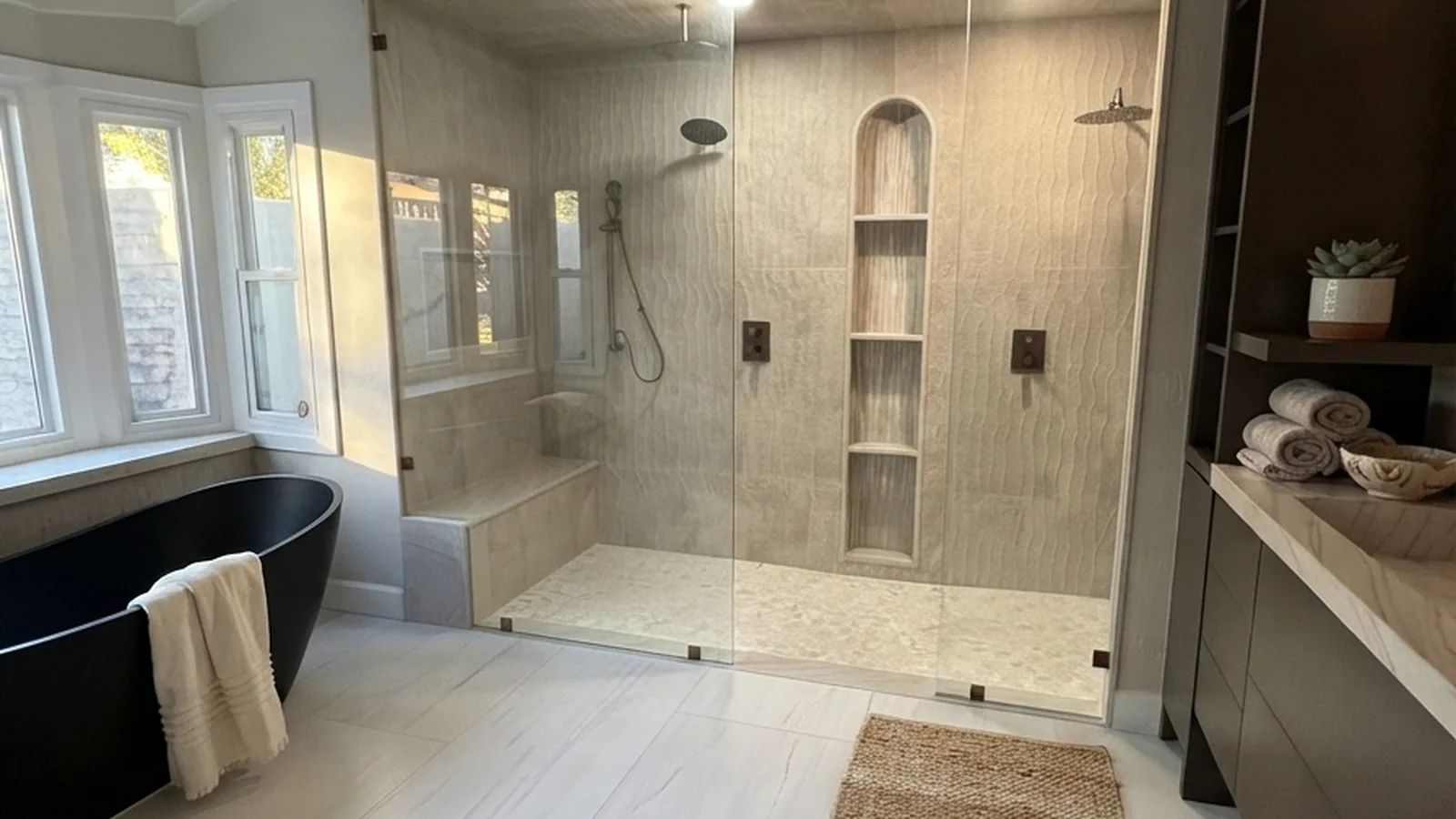
Quick answer: Maybe. Interior-only work in a single-family HOA often needs no approval, but anything visible from outside, or anything that touches shared walls and plumbing in a condo, usually does. Check your CC&Rs, ask the management company for its submission checklist, and get a written yes before you order materials or schedule demolition.
Key takeaways
- Three documents settle the question: the recorded CC&Rs, the board’s design guidelines, and its rules and regulations. A manager’s casual opinion does not override them.
- Exterior touchpoints such as vents, windows, and dumpsters trigger review far more often than the bathroom itself.
- HOA approval and a City of Phoenix permit run on separate tracks, and some projects need both.
- A complete packet moves faster than a vague one, and complete means named finishes, drawings, and contractor paperwork.
What is HOA approval for a bathroom project?
HOA approval is written permission from your association, usually issued by its board or an architectural review committee, confirming that a planned change complies with the community’s governing documents. It exists so that changes visible to neighbors, or changes to shared systems, follow one set of rules.
In Arizona those rules come in layers. The recorded CC&Rs set the baseline, the board adopts design guidelines and rules to fill in the details, and state law governs both planned communities and condominiums. The Arizona Department of Real Estate publishes consumer information on how these communities operate. This is general information, not legal advice, and your own recorded documents control.
Association approval is not the same as a permit. The HOA asks whether the work fits the community, while the city asks whether it is built to code. The City of Phoenix Planning and Development Department handles the second question, and our guide to Phoenix bathroom permit and code requirements explains when a permit applies.
Which bathroom projects need HOA approval in Phoenix?
It depends on the kind of community and on whether the work reaches past your interior walls. Single-family planned communities mostly regulate what is visible from the street. Condos and townhomes regulate more, because walls, floors, and pipes are shared. The table shows typical patterns.
| Project scope | Single-family HOA (typical) | Condo or townhome (typical) |
|---|---|---|
| Cosmetic refresh: paint, vanity, fixtures | Rarely reviewed | Notice to management, plus contractor rules |
| Full gut, same layout | Interior usually not reviewed; staging rules still apply | Written approval often required |
| Moving the shower, tub, or plumbing | Interior rarely reviewed; city permit still applies | Commonly reviewed, since pipes are shared |
| New or replaced window, new vent or skylight | Commonly reviewed because it shows from outside | Usually controlled by the association |
| Adding square footage | Almost always a full review | Usually restricted outright |
Your governing documents have the last word on every row.
Vents and windows are the sleeper issue. A new exhaust fan or relocated plumbing vent means a penetration through roofing or stucco, and boards commonly specify the color, the placement, and how the patch is painted to match the community’s approved palette. A window swap raises questions about frame color, grid pattern, and glass. Even boards that ignore interiors tend to have rules on dumpsters, material staging, contractor parking, and work hours.
Where AZ Granite & Remodeling fits in an HOA project
AZ Granite & Remodeling is a design-build remodeling contractor and in-house stone fabricator that has served the Phoenix Valley for over 20 years. Many homes across North Scottsdale, Desert Ridge, Peoria, Sun City, Anthem, and the surrounding East and West Valley sit inside associations, so the review process is part of planning for owners there.
One limit comes first: no contractor can promise approval. Only your documents and your board decide that. What a contractor can influence is how specific the application is, and that is where a design-build setup helps.
Working one-on-one with a designer means your layout, scope, and finish selections get settled before you submit, so the packet describes a real plan instead of a sketch. Because stone fabrication happens in house, the slab, edge profile, and vanity-top details come from the people who cut them. That is useful when a board or condo manager asks for specifics, and the same team handles design, fabrication, and installation if a revision is requested.
Our bathroom remodeling work covers showers, tubs, vanities, flooring, and stone surfaces such as granite, quartz, quartzite, and marble.
Estimates are a free, no-pressure visit to your home. Bring your CC&Rs, design guidelines, and any earlier approval letters so the designer can plan around them, and mention whether your association requires proof of license and insurance so the team can tell you what paperwork it can provide. You can request a visit on the contact page.
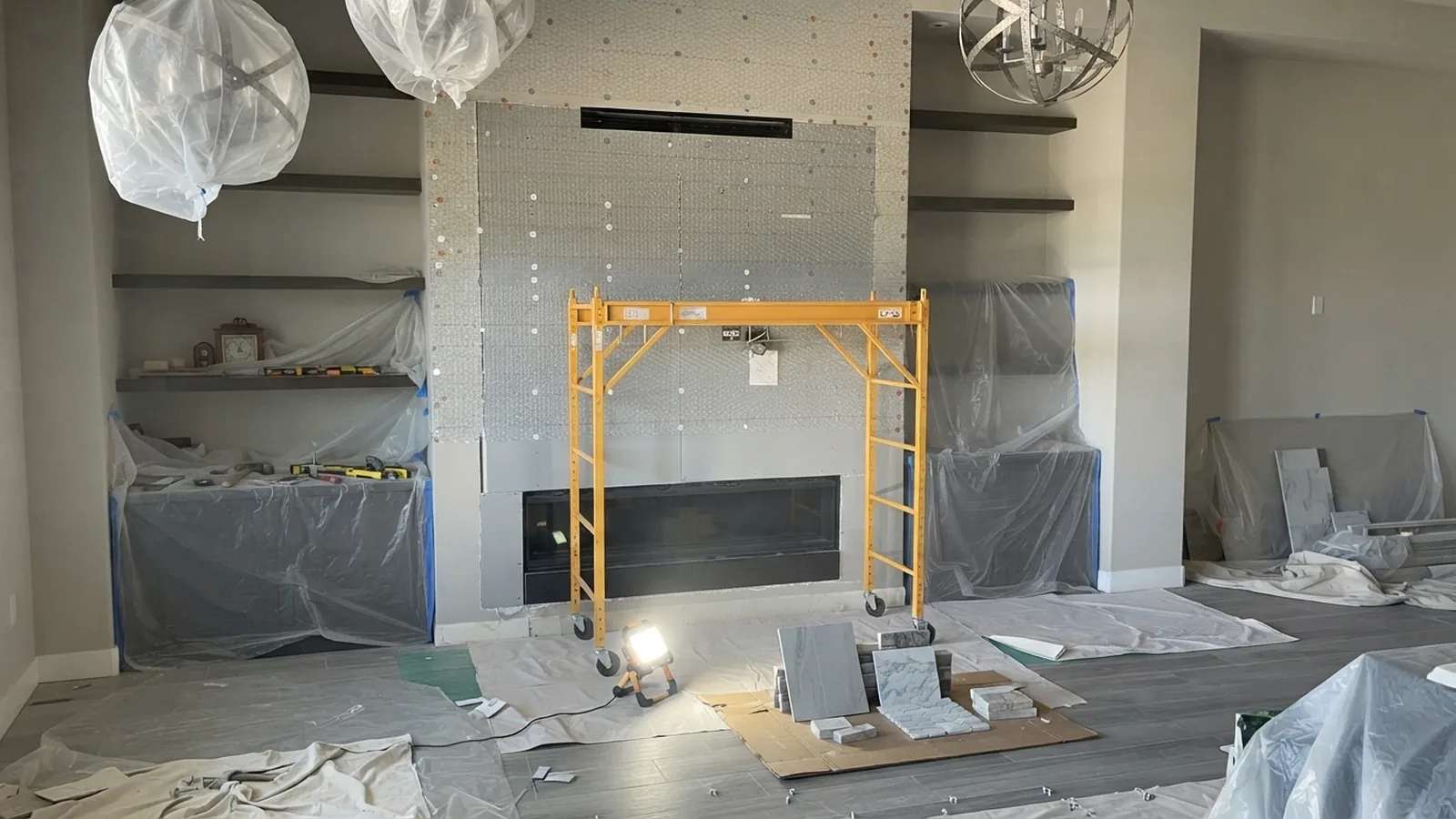
What to put in your HOA application packet
Submit the most specific packet your association will accept, because incomplete applications are a common cause of delay.
- The association’s own form, plus any review fee it charges. Ask the manager for the current version, since forms get updated.
- A plain-language scope. Two or three sentences covering what changes, what stays, and whether anything affects the exterior.
- Drawings or a simple floor plan if walls, windows, or fixtures move. Some boards accept a clean sketch, so ask.
- Material and fixture specs. Tile, stone, fixture finishes, and any item visible from outside, with product sheets or sample photos.
- Contractor details. License number, a certificate of insurance (often naming the association as additional insured), and contact information. Verify any contractor’s license on the Arizona Registrar of Contractors site before you pay a deposit.
- A schedule. Start and finish dates, daily work hours, and where the dumpster and crew vehicles will go.
- Photos of existing conditions, especially any exterior area the work will touch.
Keep copies of everything you submit. Request approval in writing, with any conditions listed, because a verbal okay from a manager will not protect you if a board member objects later.
How long does HOA approval take, and when should you apply?
Plan on several weeks, and apply before you order anything. Many governing documents set a review deadline, often measured in weeks, and they differ on what silence means: some treat no response as approval, others as denial. Read yours before counting on either.
Meeting schedules matter as much as the deadline. If the committee meets monthly, a packet that misses the agenda cutoff waits another full cycle, and some boards in communities with many seasonal residents meet less often over the summer.
A sensible order of operations:
- Read your documents and request the submission checklist.
- Finalize scope and selections with your designer so the application matches what will actually be built.
- Submit, and put the review deadline on your calendar.
- Apply for the City of Phoenix permit if the scope needs one. Some associations ask for a copy before final sign-off.
- Order materials only after approval. Stone is cut to measure, usually templated once the vanity or cabinets are set, so an early order based on a plan the board later changes gets expensive.
Once you have the green light, our guide to how long a bathroom remodel takes in Phoenix covers the build itself.
Extra rules for condos and townhomes
Condo and townhome owners should expect more rules, because the work happens inside a building other people live in.
- Water shutoffs. Shared supply lines mean the manager may need to schedule shutoffs and notify neighbors days ahead.
- Flooring and sound. Some associations require specific underlayment or a minimum sound rating for hard surfaces over another unit.
- Work hours. Weekday-only windows with quiet periods are common, which stretches labor days.
- Elevators and debris. Expect reserved elevator times, protective coverings in hallways, and a ban on debris in shared dumpsters.
- Deposits and insurance. A refundable damage deposit and an additional-insured certificate are routine asks.
Why HOA requests get delayed or denied, and what to do next
Most delays trace back to the packet. The usual causes are vague finishes (“white tile” instead of a product and color), exterior items left out such as a new vent or window, missing license or insurance details, and starting work early. A request that conflicts with a written guideline, such as a visible vent color or window style, will also stall.
If you are denied, ask for the reasons in writing, along with the section of the guidelines the board relied on. Often a revised submission that fixes the specific objection is approved. Most governing documents also describe an appeal or a chance to speak at a board meeting. A dispute that goes beyond a revision is a question for an attorney who handles Arizona HOA matters, not for your contractor.
What HOA requirements add to cost and schedule
HOA requirements add mostly time, plus a few small line items. Some associations charge a review fee, condos often hold a refundable damage deposit, and the contractor’s insurer may need to issue an additional-insured certificate. Revised drawings after a board comment add design time, and weekday-only work windows can stretch a job by several days.
Treat the review window as the biggest cost and add it to your timeline before you book a start date. Remodel pricing itself depends on scope and materials, and the clearest way to see a number for your home is a free in-home estimate with your association’s rules on the table.
Frequently asked questions
Can my contractor submit the HOA application for me?
Usually the homeowner must be the applicant, because the association’s relationship is with the owner. Your contractor can supply the scope, drawings, license, and insurance details, and some associations accept a signed authorization letter so the contractor can handle follow-up. Ask the manager which approach yours allows.
Can I start demolition while my application is pending?
No. Starting before you hold written approval is the fastest way to turn a routine review into a violation notice. Even interior demolition can trigger dumpster and noise rules, so wait for the letter and confirm any conditions listed in it.
What happens if I remodel without approval?
The association can send violation notices, assess fines under its rules, and require you to restore anything that conflicts with the guidelines. Work that changed the exterior is the riskiest, since it is visible and easy to document. A late application is almost always harder to win than an on-time one.
Does an HOA approval expire?
Often yes. Many approval letters set a window to start or finish the work, and some lapse if the scope changes. Read the letter for dates and conditions, and request an extension in writing before it runs out rather than after.
Can a neighbor block my bathroom project?
A neighbor cannot veto it, but some associations notify adjacent owners about exterior changes and consider their comments. The board decides under the written guidelines, so a request that clearly meets the rules is on firmer footing.
Do gated and age-restricted communities add anything?
They often do. Gated and age-restricted communities, which are common in places like Sun City, commonly add contractor gate passes, vehicle registration, and tighter quiet hours. Ask the community office for its contractor rules sheet before you schedule crews.
Should I get a contractor estimate before or after applying?
Before. The application needs a defined scope and named materials, and an estimate is where those get settled. A contractor who walks the home can also spot exterior touchpoints you might miss, such as a vent route or window change, before they surprise the board.
What if a leak forces an emergency repair?
Stop the damage first and notify the association promptly. Emergency repairs to stop water damage are generally treated differently from planned renovations, but keep photos and receipts, and submit an application for any follow-up rebuild that goes beyond a like-for-like repair. Condo owners should call the manager right away, since a leak can affect neighbors’ units.
Start with your documents, then get the plan priced
Bathroom remodeling in Phoenix with HOA approval comes down to three moves: read the governing documents, build a specific packet, and wait for the written yes before anything is ordered or demolished. If you want a second set of eyes on scope and materials first, AZ Granite & Remodeling offers free, no-pressure in-home estimates across the Valley. Call (602) 759-9000, email veny@azgranite.us, or use the contact page. The shop is at 1923 W. Cheryl Dr, Suite 2, Phoenix, AZ 85021.