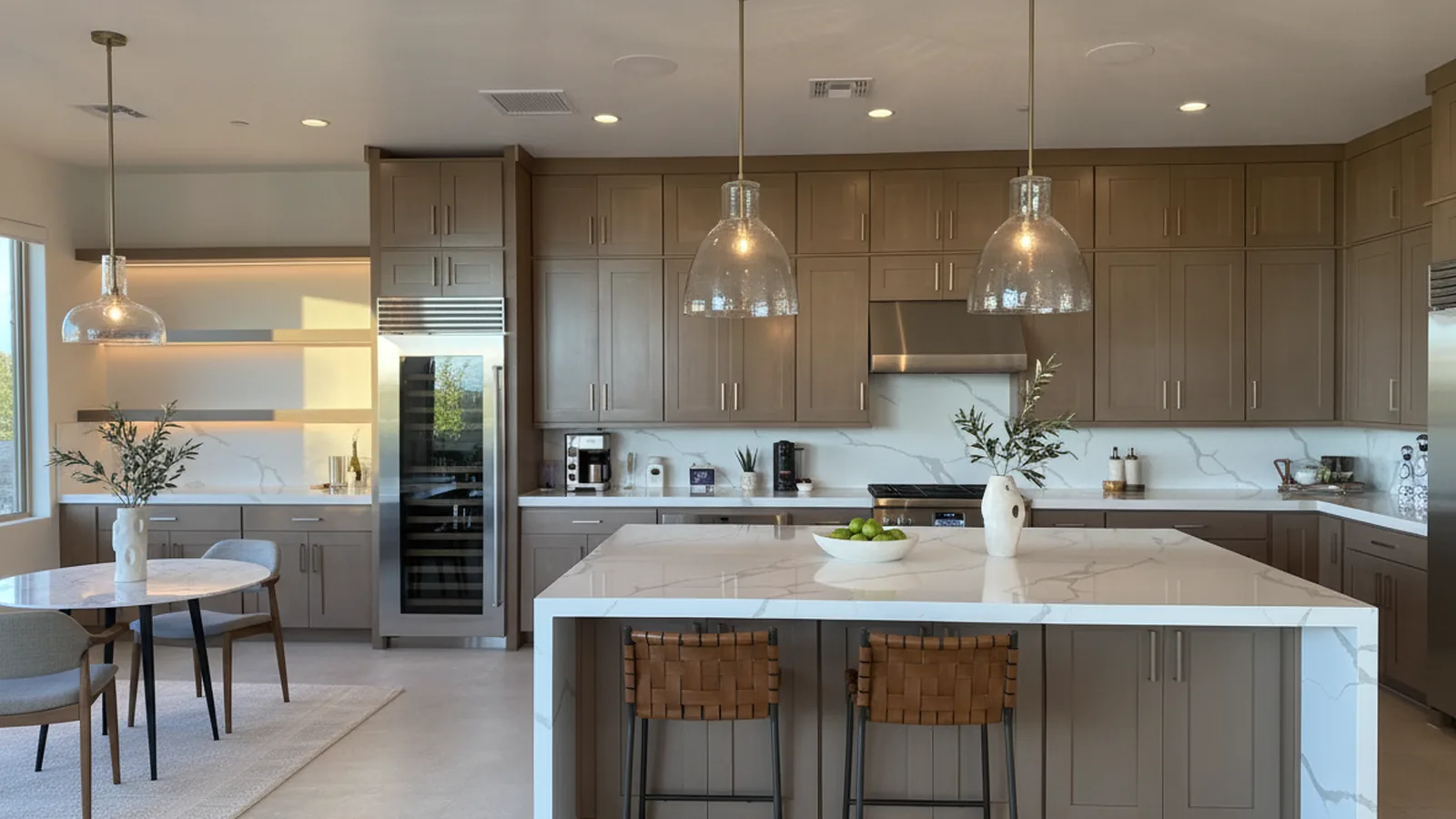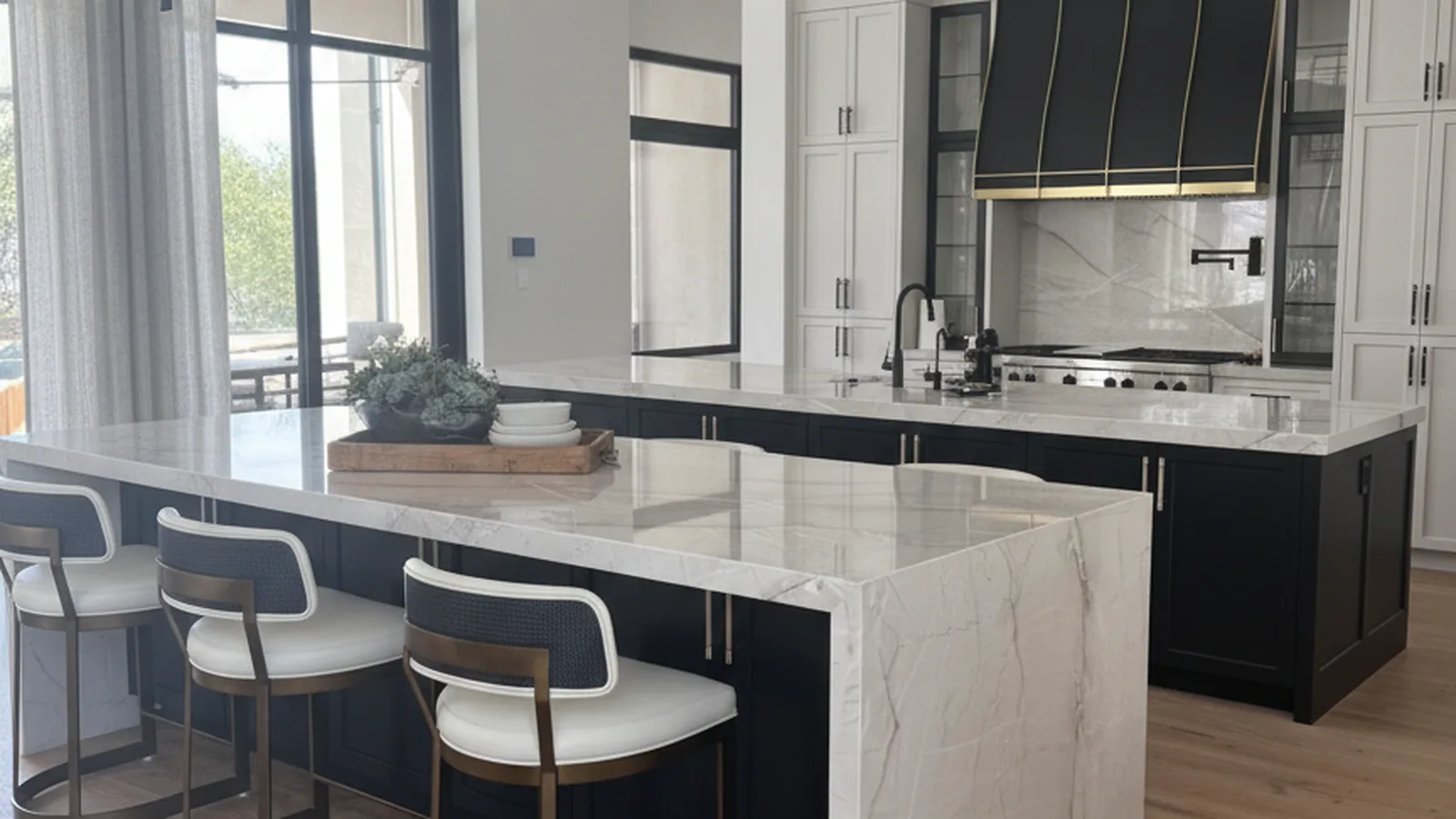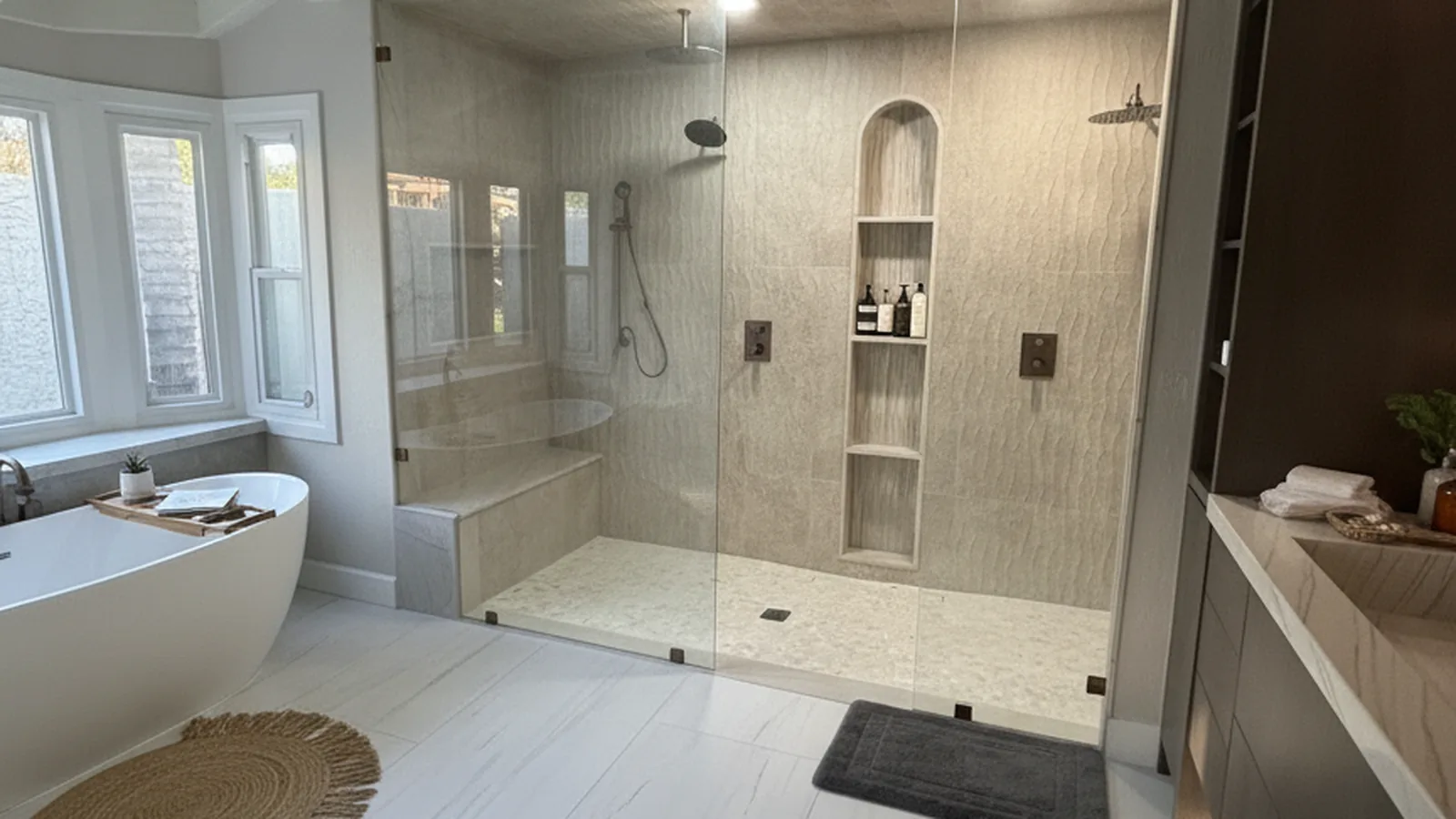
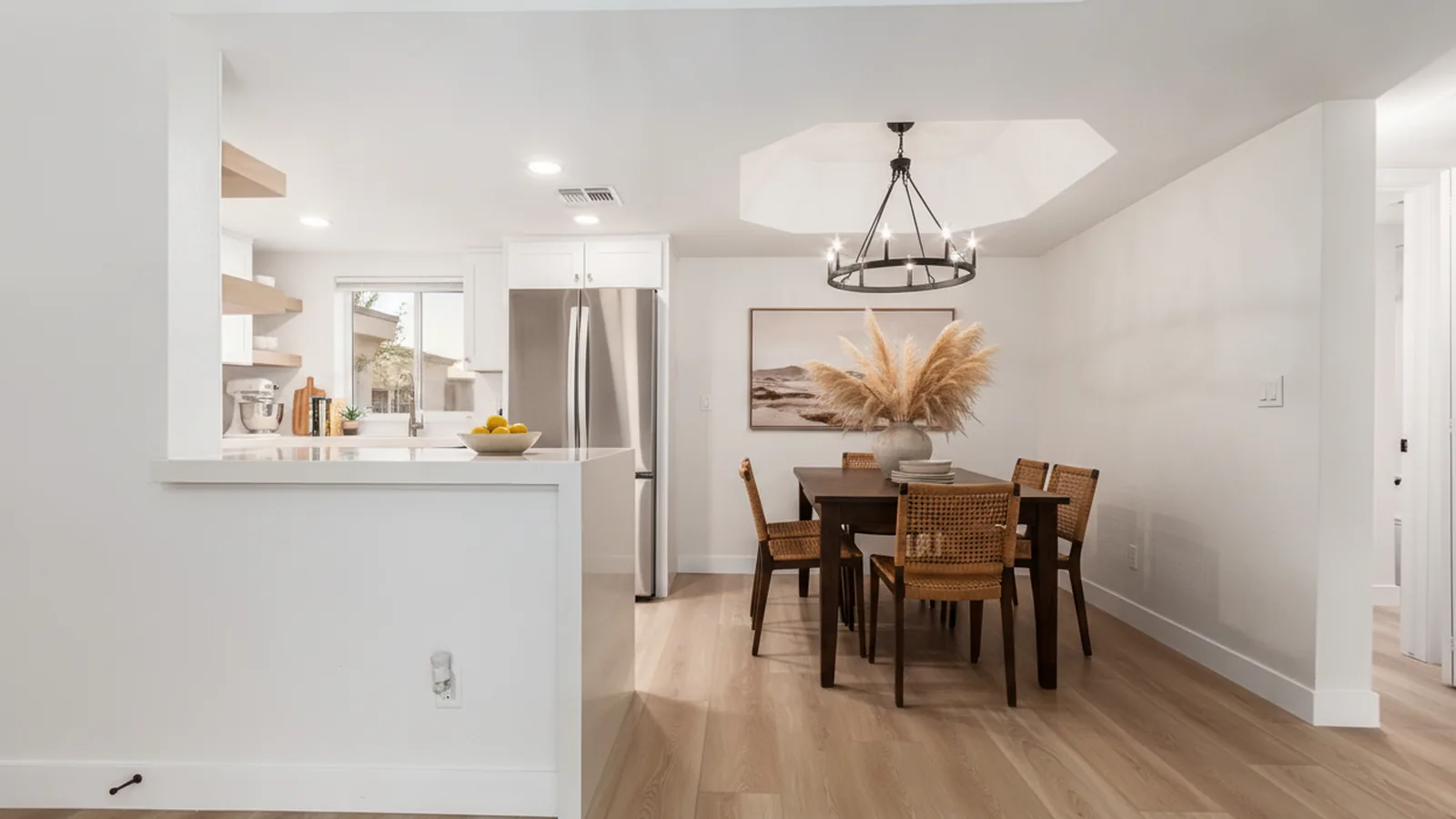
If you’re weighing quartz for a Phoenix kitchen or bath, the word that keeps coming up is “low-maintenance.” It’s mostly true. But “low-maintenance” is not the same as “no-maintenance,” and a few Arizona-specific things (hard water, direct sun, real desert heat) change what daily care actually looks like. This guide walks through what upkeep quartz genuinely needs, where it beats other surfaces, where it doesn’t, and what drives the cost.
Quick answer: Quartz is one of the lowest-upkeep countertop surfaces you can install in Phoenix. Because it’s engineered and nonporous, it never needs sealing, and day-to-day care is soap, water, and a soft cloth. The two things Arizona homeowners actually manage are hard-water mineral spots near the sink and keeping hot pans off the surface with a trivet.
Key takeaways
- Quartz is nonporous, so it never needs sealing, unlike natural granite or marble.
- Everyday cleaning is a pH-neutral cleaner and a soft cloth, nothing harsh.
- Phoenix’s hard water leaves mineral film near sinks; a quick wipe-down prevents buildup.
- Quartz resists stains and scratches well but is not fully heatproof, so use a trivet.
- Cost depends more on edge, thickness, and install complexity than the “low-maintenance” label itself.
What is low-maintenance quartz?
Low-maintenance quartz means an engineered stone surface that stays sanitary and good-looking with minimal effort because it’s nonporous and doesn’t absorb liquids. Quartz slabs are made from roughly 90% ground natural quartz bound with resin and pigment, then cured into a dense, consistent slab. That manufacturing is the whole reason for the low upkeep: there are no open pores to soak up wine, oil, or bacteria, so it resists staining without any sealant.
Compare that to natural stone. Granite and marble are porous and need periodic sealing to fend off stains. Quartz skips that chore entirely. You also get a highly uniform color and pattern, which matters if you want a specific look without the variation that comes with a natural slab. If you’re comparing the raw material options side by side, the materials overview lays out how quartz sits next to granite, quartzite, and porcelain.
Why Phoenix conditions change the care routine
Phoenix throws three things at a countertop that milder climates don’t, and each one shifts your upkeep slightly. First is hard water. The Valley’s tap water is mineral-heavy, and Phoenix reports water hardness that regularly lands in the “hard” to “very hard” range on the USGS hardness scale. That means water drops left to dry near your sink or faucet can leave chalky white mineral spots on any surface, quartz included. The film isn’t damage, and it wipes off, but it’s the single most common quartz complaint we hear in the desert.
Second is direct sun and UV. South- and west-facing kitchens get intense light, and some older or lower-grade quartz can be sensitive to prolonged UV. Reputable quartz brands now build in UV stabilizers, and for most indoor installs fading is a non-issue. We cover the nuances in a dedicated read on whether quartz fades in the sun. Third is heat, which matters most in kitchens where a hot pan straight off the burner can meet the resin binder. More on that below.
Where AZ Granite & Remodeling fits in
AZ Granite & Remodeling is one Phoenix option worth knowing here, because upkeep is partly a manufacturing question and partly an install question. AZ Granite is a design-build remodeler and in-house stone fabricator that has served the Phoenix Valley for over 20 years, cutting and finishing countertops in its own shop at 1923 W. Cheryl Dr rather than jobbing the fabrication out.
Why that matters for low-maintenance quartz specifically: the parts of a countertop that actually collect grime and mineral buildup are the seams and the edge finish. A tight, well-placed seam and a cleanly polished edge give hard water fewer places to catch, which means less scrubbing over the years. Because AZ Granite handles design, fabrication, and installation as one team under one roof, seam placement and edge detailing get decided with the finished surface in mind, not handed off between vendors.
The company works one-on-one with a designer, offers a free, no-pressure in-home estimate, and carries granite, quartz, quartzite, marble, porcelain, and more. It serves North Scottsdale, Desert Ridge, Peoria, Sun City, Anthem, and the broader East and West Valley. You can compare quartz options on the quartz countertops page or book a walkthrough of your kitchen through the contact page. That’s the AZ Granite piece. The rest of this guide stays on quartz itself.
Quartz vs. other surfaces: the maintenance trade-off
“Low-maintenance” only means something in comparison, so here’s how quartz stacks up against the surfaces Phoenix homeowners usually consider alongside it.
| Surface | Sealing needed? | Hard-water film | Heat tolerance | Everyday upkeep |
|---|---|---|---|---|
| Quartz (engineered) | Never | Wipes off, no etching | Good, but use a trivet | Soap and water |
| Granite (natural) | Yes, periodically | Minimal, but can etch if unsealed | Excellent | Soap and water plus sealing |
| Marble | Yes, more often | Etches and stains easily | Good | High, acid-sensitive |
| Porcelain | Never | Very resistant | Excellent | Soap and water |
The short version: quartz and porcelain are the two lowest-upkeep picks, granite is close but adds sealing, and marble is the highest-maintenance of the group in a hard-water climate. If you love the marble look but not the fuss, quartz and quartzite both mimic it while wearing harder.
The real daily care routine (it’s short)
Caring for quartz in Phoenix is genuinely simple, and shorter than most people expect. Wipe spills as they happen with warm water, a drop of dish soap, and a soft cloth or non-scratch sponge. That handles 95% of everyday life. For the hard-water film that shows up near the faucet, a damp microfiber wipe after dishes keeps minerals from building into a stubborn haze. If a spot has already set, a mix of mild dish soap or a cleaner labeled safe for quartz will lift it without abrasives.
What to avoid matters as much as what to do. Skip bleach, oven cleaner, and abrasive scrubbing pads, which can dull the finish over time. Skip harsh degreasers and anything strongly acidic or alkaline. You don’t need special quartz polish, and you never need sealant. Matte and textured finishes show fingerprints and film a little more than polished ones, so factor that in if low-visible-upkeep is your priority.
Where quartz needs a little respect: heat
The one place quartz isn’t bulletproof is direct heat, and it’s worth stating plainly. Quartz holds up to normal kitchen warmth, but the resin binder can scorch or discolor if a pan straight off a 400-degree burner sits directly on it. Thermal shock can also cause a hairline crack. The fix is trivial: keep a trivet handy and never set cookware directly from stove to stone. This is a common point of confusion, and we sort the facts from the myths in our guide to the best countertops for Arizona heat. Outdoor kitchens are a different story, and quartz is generally not recommended for full-sun outdoor installs.
What drives the cost
Quartz pricing in Phoenix depends far more on the specifics than on the “low-maintenance” label. The biggest factors are the quartz brand and color tier, slab thickness, the edge profile you choose, and how complex your layout is (number of seams, cutouts for sinks and cooktops, and any waterfall ends). Installed quartz commonly runs in a mid-range per-square-foot band for standard colors, climbing for premium designer patterns and elaborate edges.
Because those variables swing the number so much, a firm quote really does require someone measuring your actual space. For a fuller cost breakdown before you get estimates, our companion guide on buying quartz countertops in Phoenix walks through the line items, and a free in-home measure will give you a real figure for your kitchen rather than a ballpark.
Frequently asked questions
Do low-maintenance quartz countertops ever need sealing?
No, quartz never needs sealing at any point in its life, because it’s nonporous. That’s a permanent property of the engineered material, not a coating that wears off. This is the single biggest upkeep difference between quartz and natural stone like granite or marble, which do need periodic resealing to stay stain-resistant.
How do I get rid of hard-water spots on quartz in Phoenix?
Use warm water and a drop of dish soap on a soft cloth, or a cleaner labeled safe for quartz. For stubborn mineral haze, let a damp microfiber cloth sit on the spot briefly to loosen it, and skip abrasive pads and acidic descalers. Because Phoenix water is hard, a quick wipe near the sink after dishes prevents buildup in the first place.
Is quartz truly low-maintenance, or is that marketing?
Yes, it’s genuinely low-maintenance, with one honest caveat. Cleaning is just soap and water, with no sealing, no polishing, and strong stain resistance. The asterisk is heat: quartz is not fully heatproof, so you need a trivet under hot cookware. Manage that one habit and quartz is about as hands-off as countertops get.
Which is lower-maintenance in Arizona, quartz or granite?
Quartz is, by a small margin, because it never needs sealing while granite should be resealed periodically to stay stain-resistant. Both clean with soap and water and both handle everyday Valley life well. Granite tolerates direct heat better, so the winner depends on whether sealing or heat resistance matters more to you.
Can quartz sit in a sunny Phoenix window without fading?
Yes, for most indoor installs. Quality quartz today includes UV stabilizers, and typical kitchen sun exposure won’t fade it. Very intense, prolonged direct sunlight is where lower-grade quartz can be at some risk, so ask about UV performance if a countertop gets hours of unfiltered afternoon light.
What cleaners should I never use on quartz?
Never use bleach, oven cleaner, abrasive scouring pads, or strongly acidic or alkaline products, since these can dull or discolor the finish over time. Stick to pH-neutral dish soap and water, or a cleaner specifically labeled safe for quartz. Use soft cloths or non-scratch sponges only.
Does a matte quartz finish need more upkeep than polished?
Yes, slightly. Matte and textured finishes show fingerprints, smudges, and hard-water film a little more than a polished surface, so they can want more frequent wiping to look their best. The cleaning method is identical. If minimizing visible maintenance is your goal in a hard-water area, a polished finish hides day-to-day marks a bit better.
How long do quartz countertops last with basic care?
Quartz commonly lasts for decades with basic soap-and-water care, and it often carries a lengthy manufacturer warranty. It resists scratching and staining well, and because it never needs resealing, it holds its finish over time. Avoiding direct high heat and heavy impacts is what keeps it looking new the longest.